Philippines
Manila's walled city, the lagoons of Coron and El Nido in Palawan, and Bohol's Chocolate Hills: island hopping at its best.
Why go
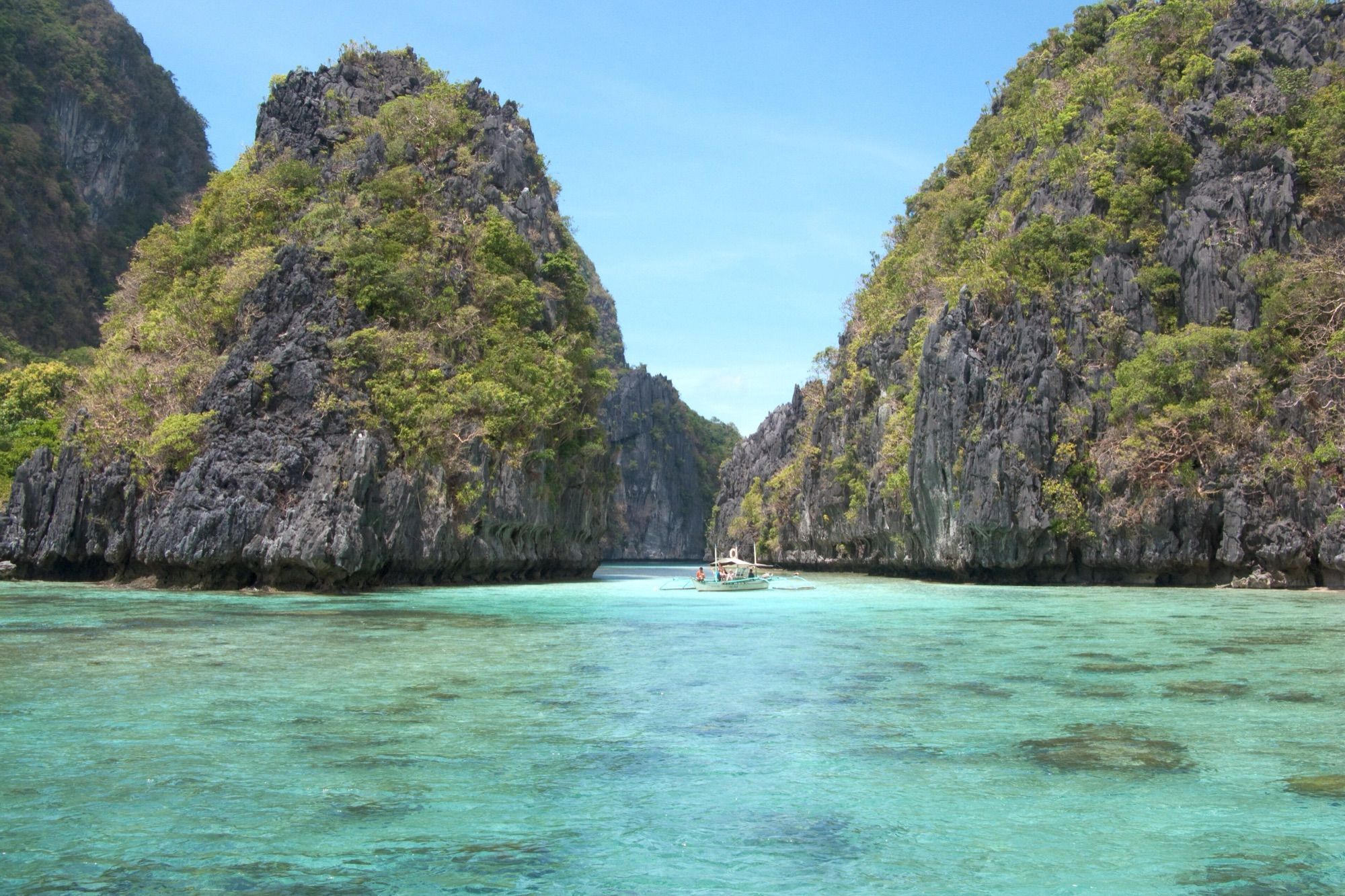
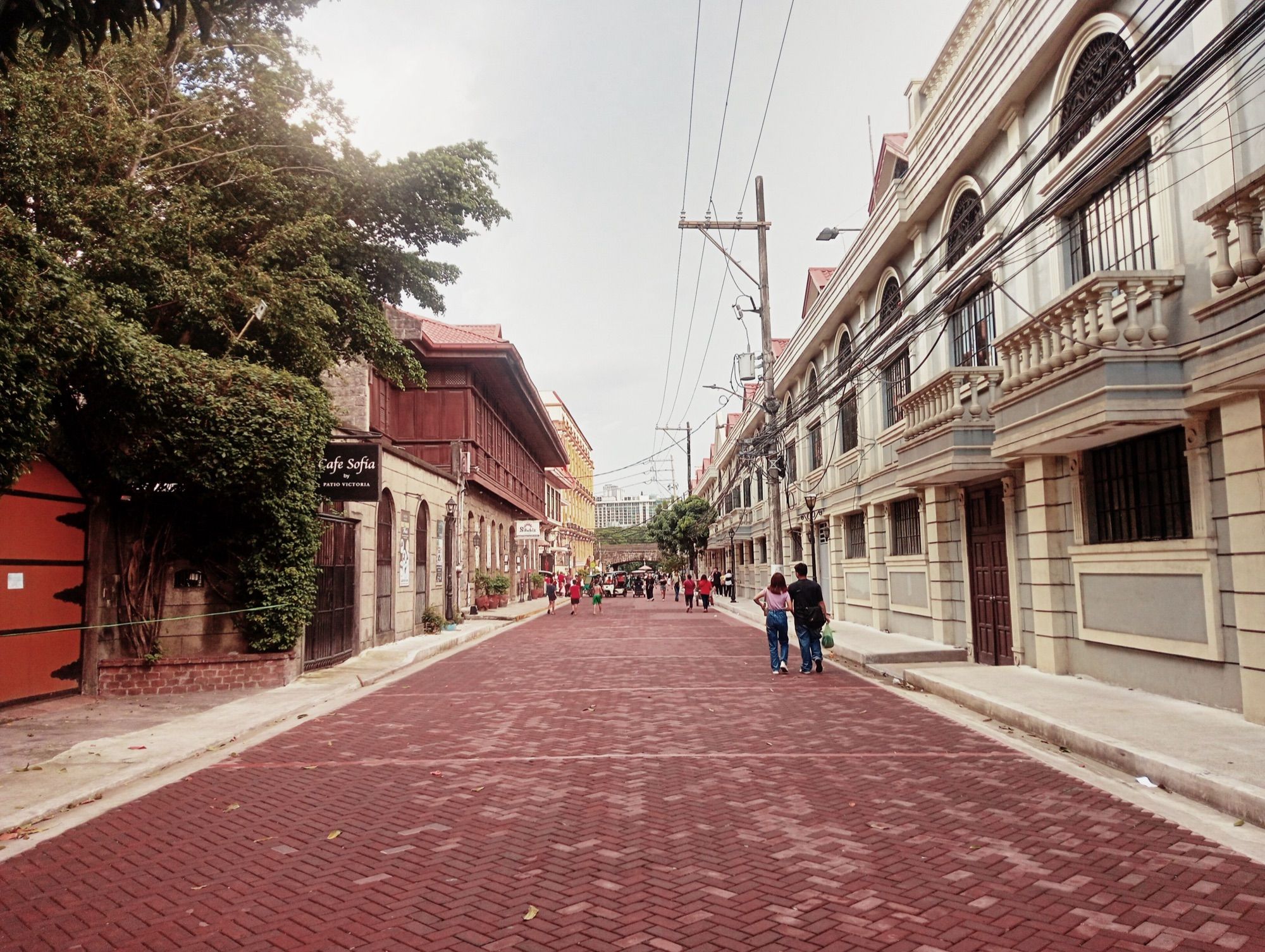
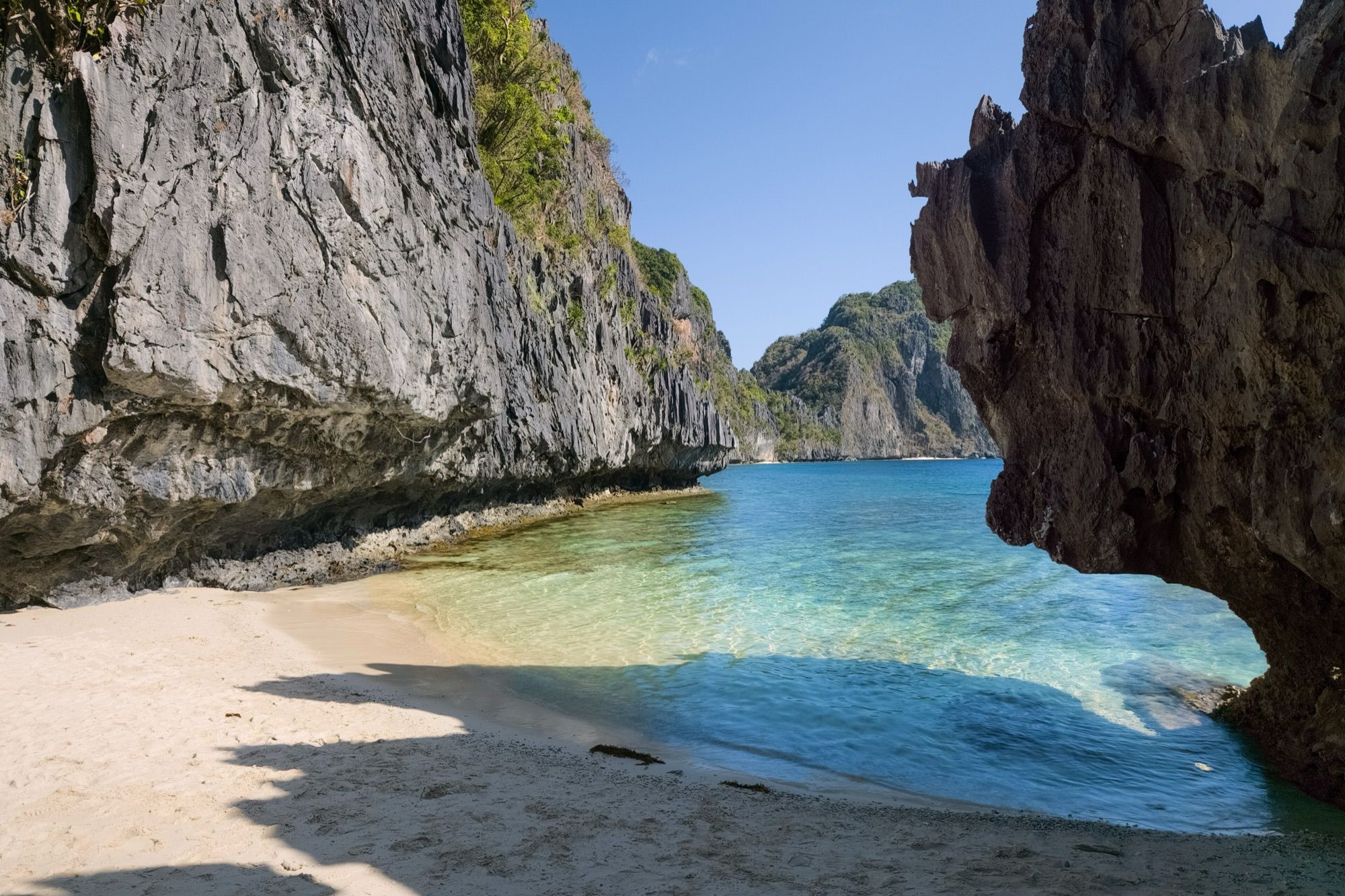
The Philippines is a nation of more than 7,000 islands, and a few of the best are surprisingly easy to link up. Manila gives you Spanish-colonial history in the walled city of Intramuros and a modern skyline on Manila Bay. Fly west to Palawan and the scenery turns to limestone cliffs, green lagoons and white-sand coves: Coron, with its lakes and Second World War wrecks, and El Nido, on the island-studded Bacuit Bay. To the south-east, Bohol adds the cone-shaped Chocolate Hills, old stone churches, river cruises and the tiny tarsier. The people are warm, English is widely spoken and island hopping is part of everyday life.
When to go
The dry season runs roughly from December to May, with calm seas for boat trips, and February to April is usually the sunniest stretch. Expect heat and humidity all year, with temperatures mostly around 26 to 32 °C. From about June to October the south-west monsoon brings showers and the chance of typhoons, and some boat tours may be cancelled at short notice in rough weather.
Getting there from the UK
There are no non-stop flights from the UK. Gulf and Asian airlines connect through their hubs; Etihad flies from London Heathrow to Manila via Abu Dhabi, a journey of around 19 to 20 hours with the connection. From Manila, short domestic flights reach Coron (Busuanga), El Nido (Lio) and Bohol (Panglao) in about an hour. The Philippines is eight hours ahead of the UK in winter and seven hours ahead in British summer time.
Where to stay
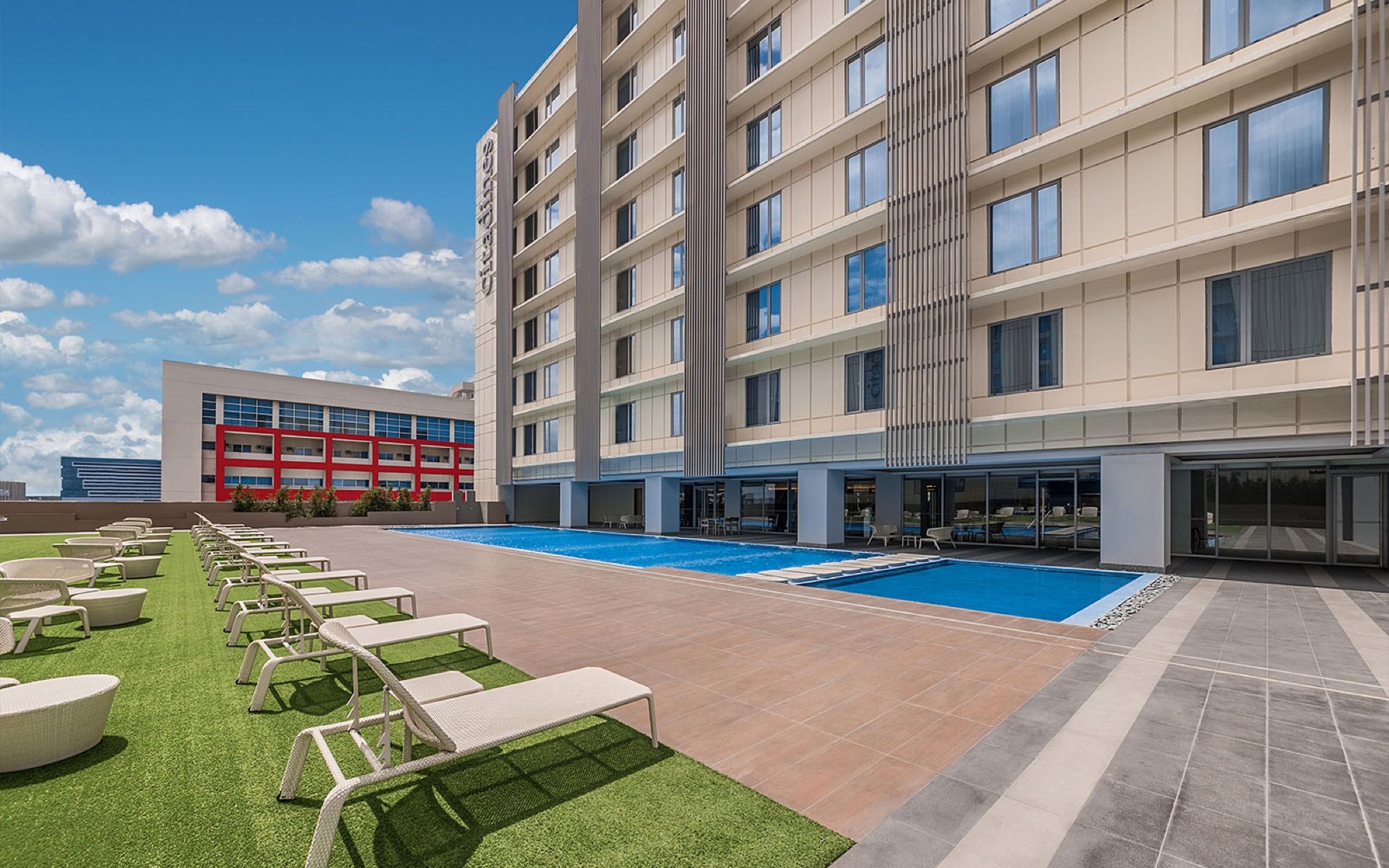
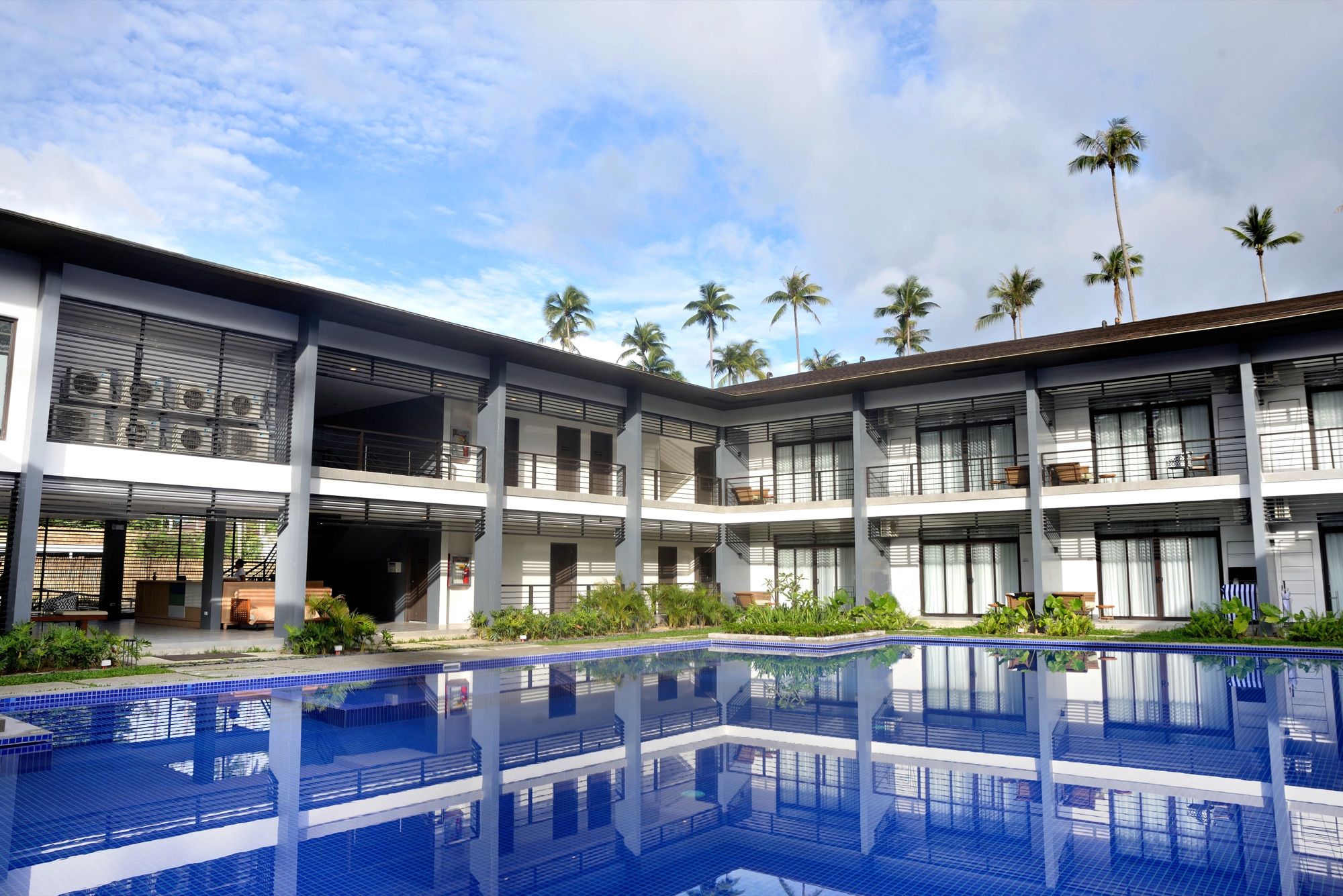
- Manila: Bay City, on Manila Bay near the Mall of Asia, is handy for the airport and for evening walks along the bay.
- Coron: stay on the edge of Coron town on Busuanga Island; boats leave from the town wharf for Coron Island's lakes and lagoons.
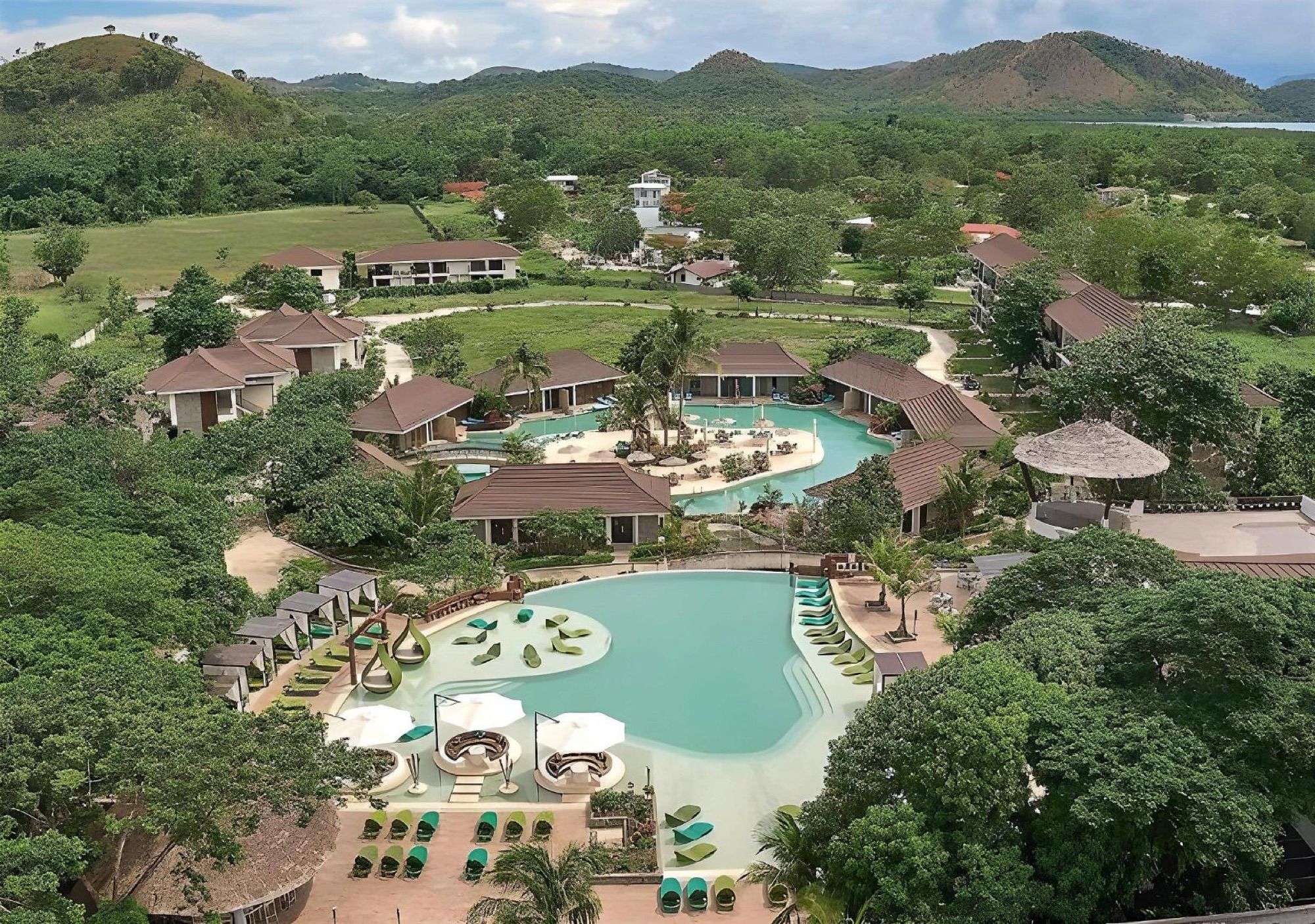
- El Nido: Lio Beach, a few minutes from the airport, is quieter than El Nido town and has its own pier for island-hopping boats.
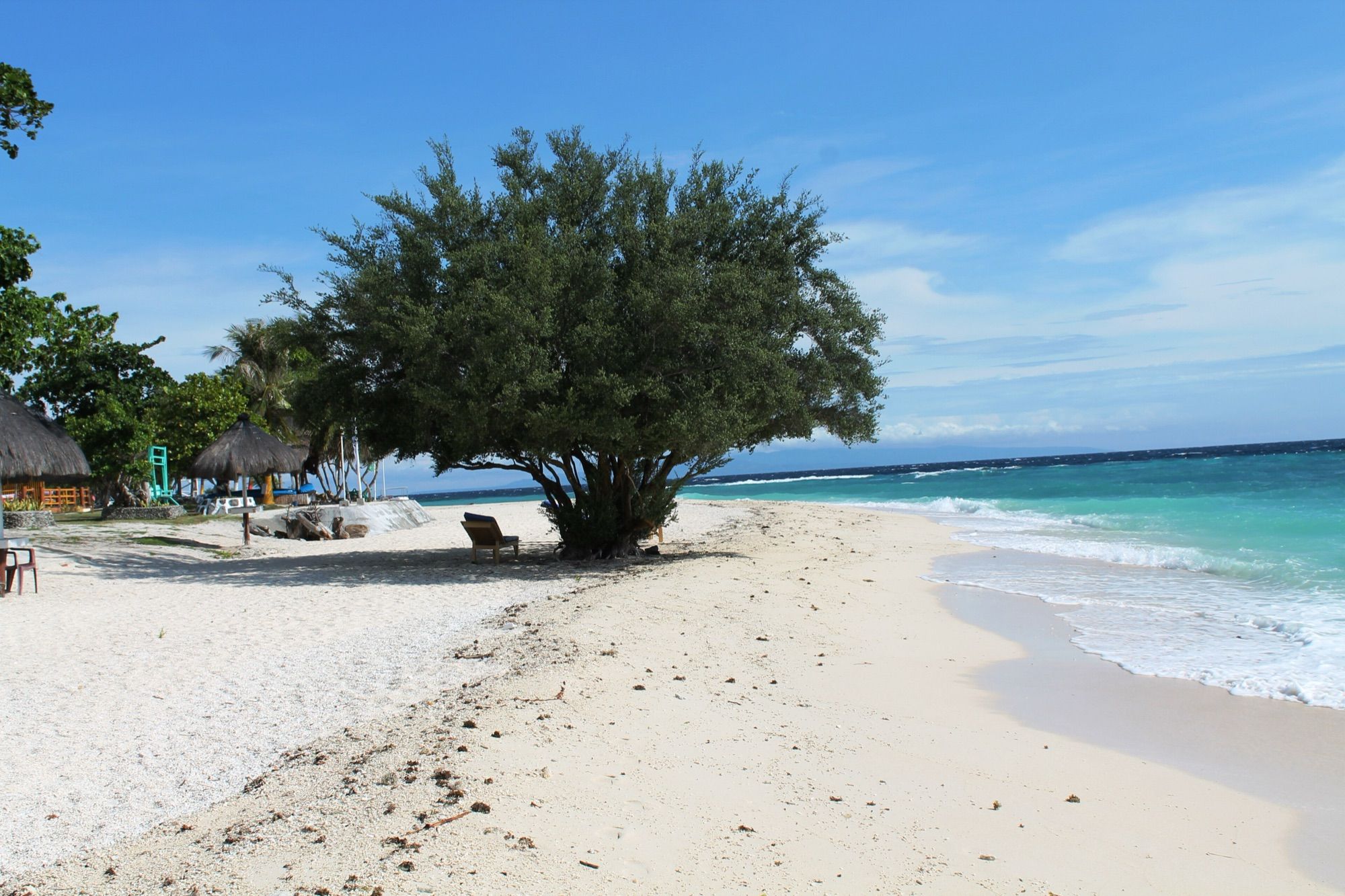
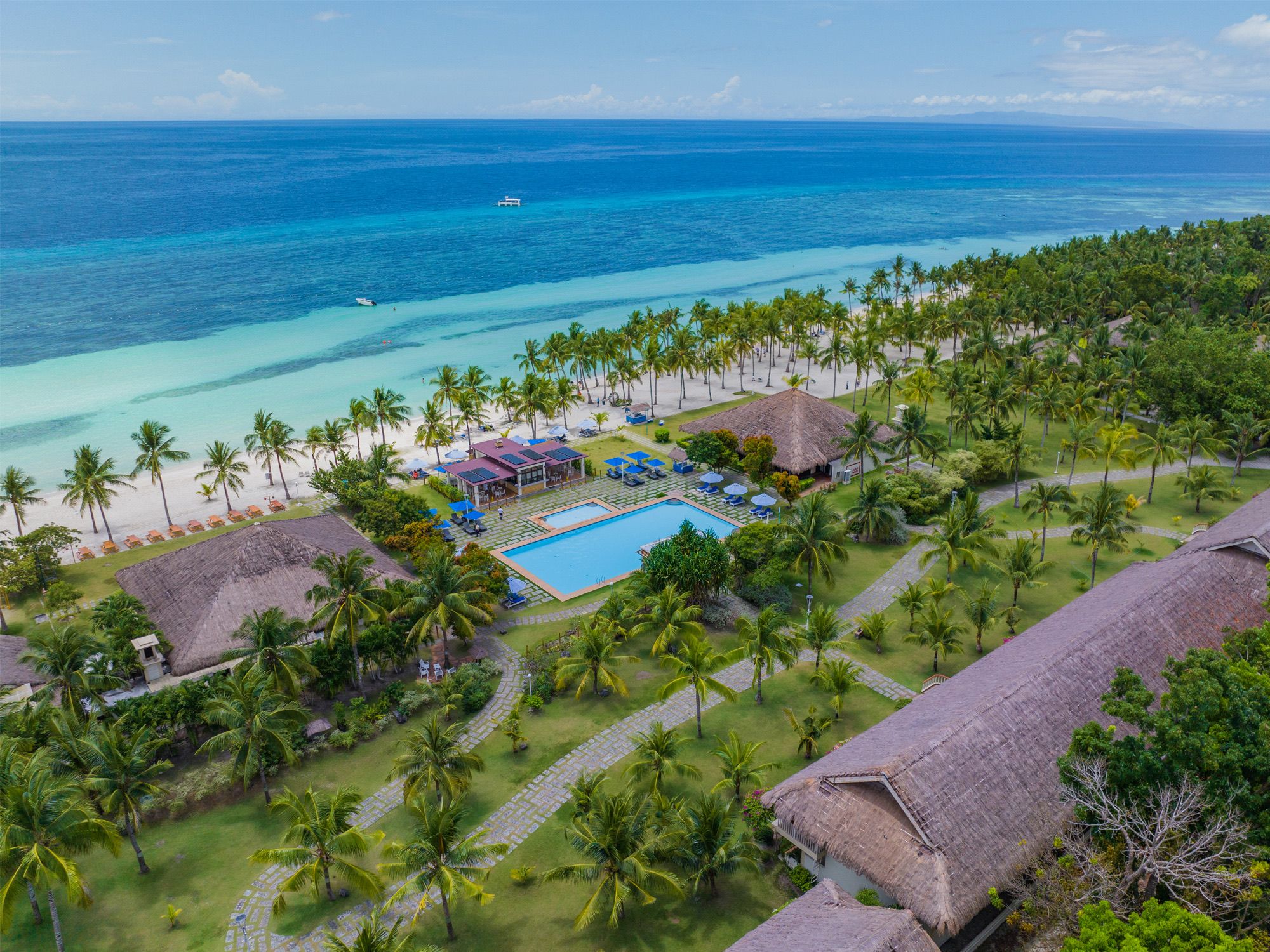
- Bohol: Panglao Island, joined to Bohol by bridges, has the white-sand beaches and the dive and snorkel boats.
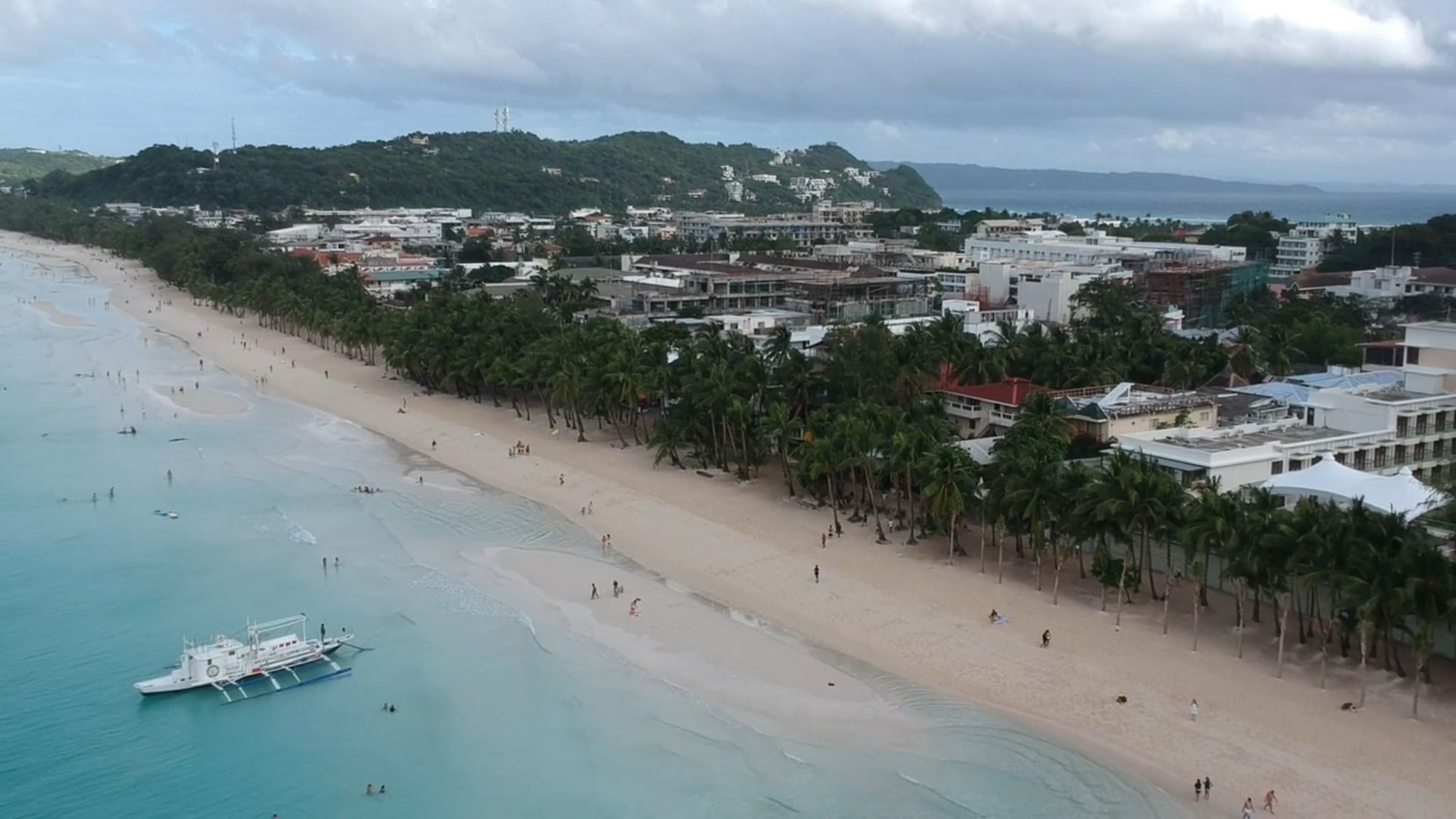
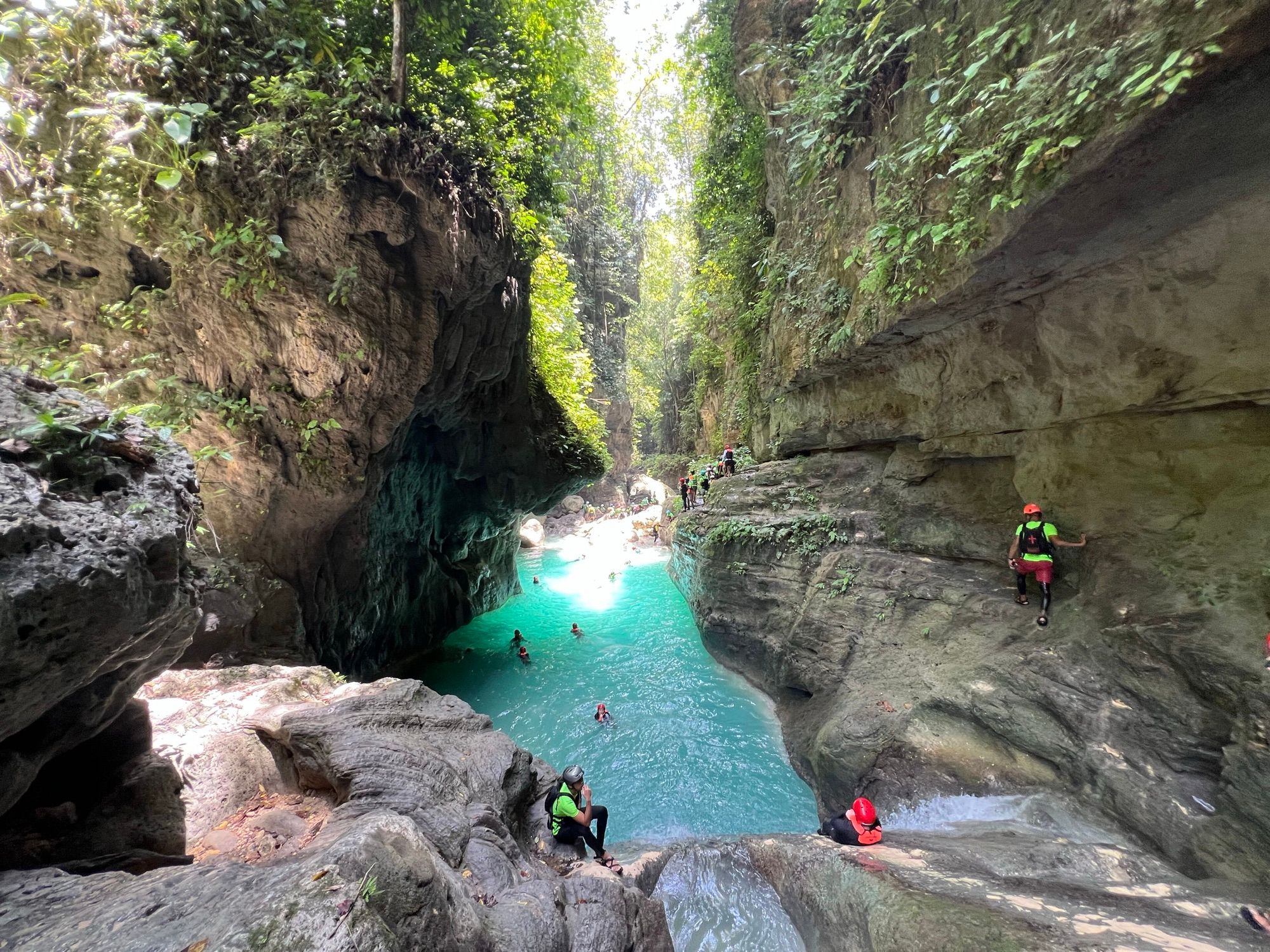
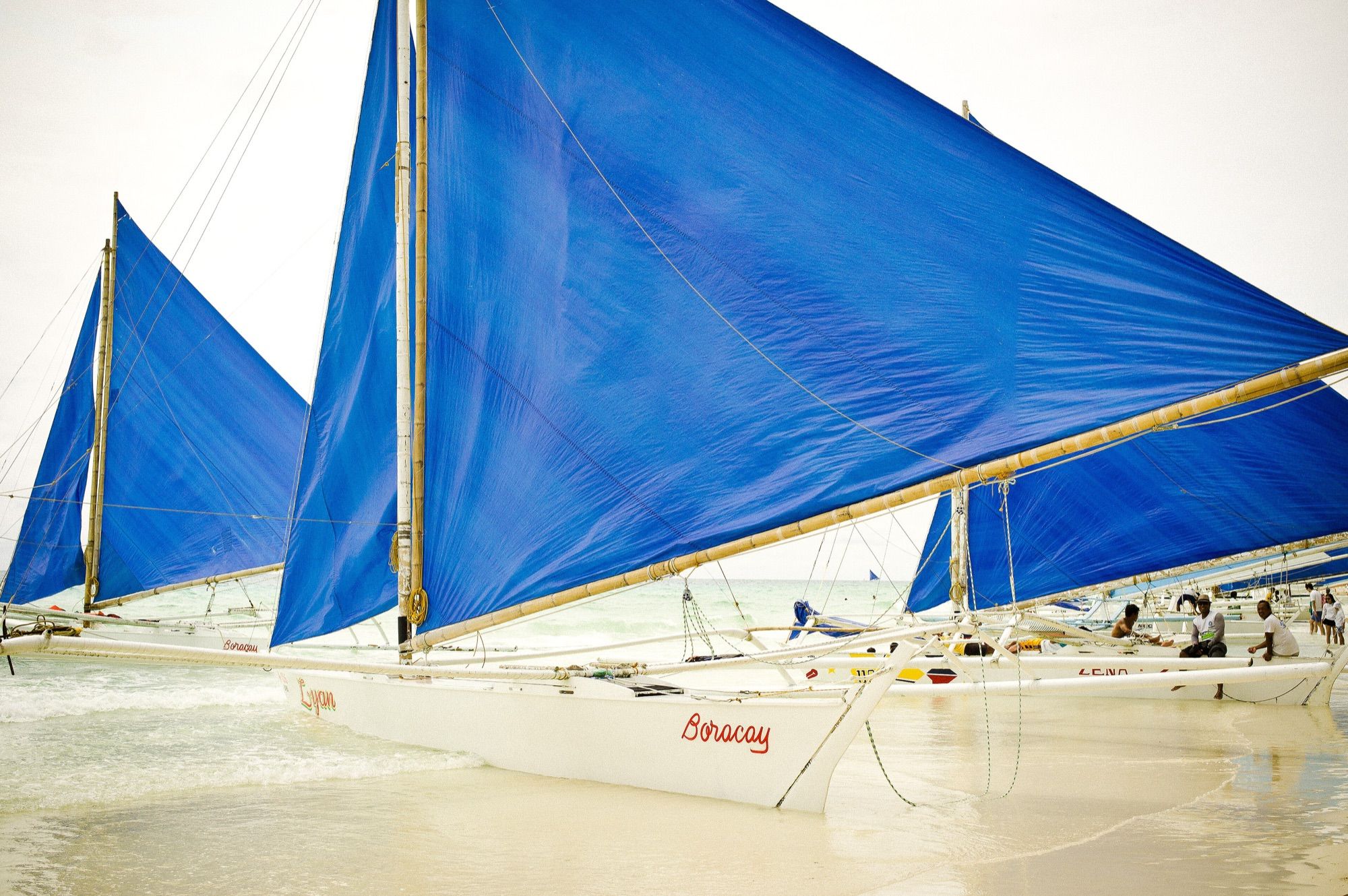
- Beyond: Boracay for its long White Beach and sunset sailing, Cebu for waterfalls and canyoneering, and Siargao for surfing and laid-back island life.
What to do
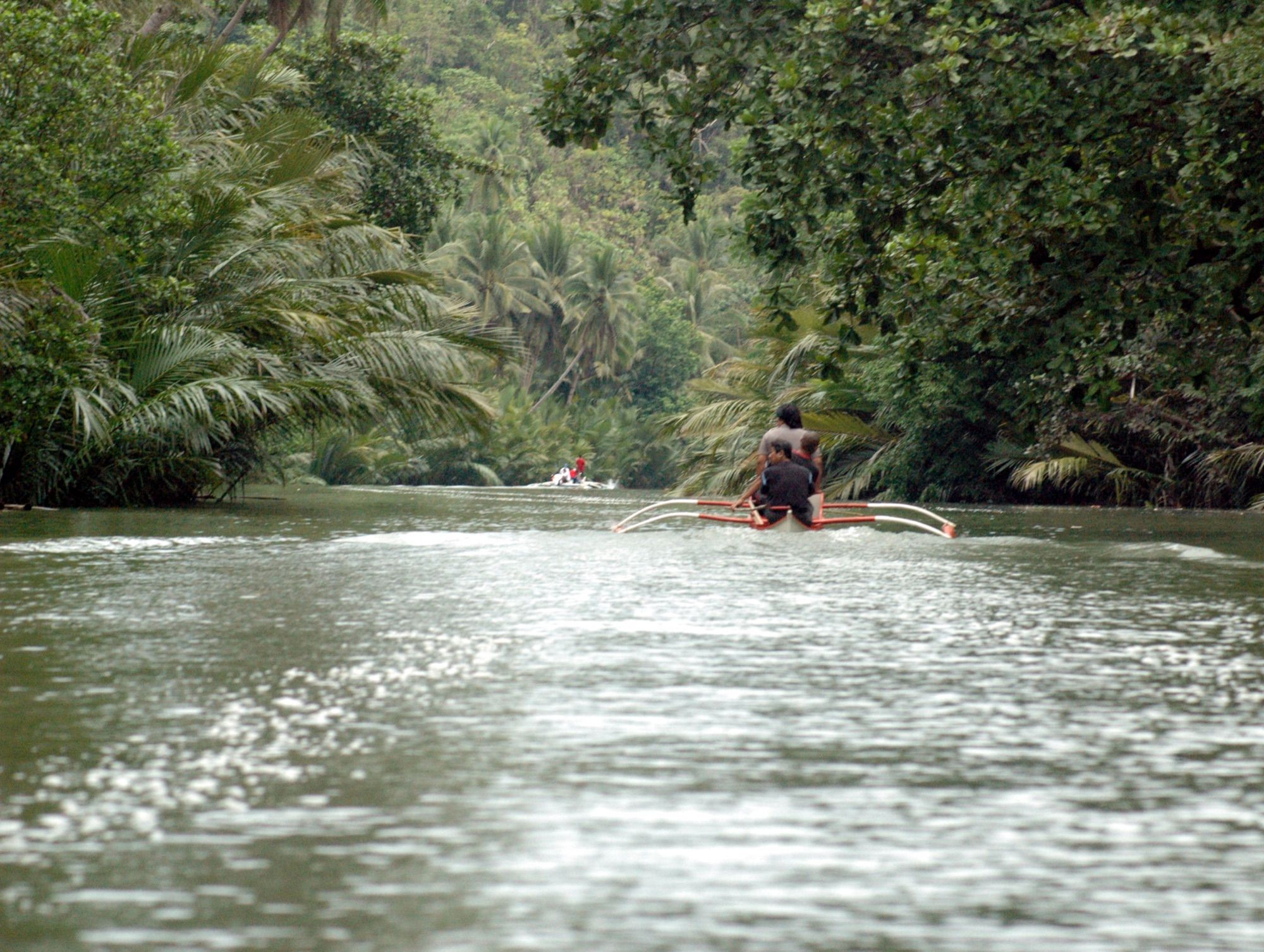
Island hopping is the big one. In Coron, swim in Kayangan Lake and Twin Lagoon and snorkel over reefs and a shipwreck. In El Nido, kayak into the Big Lagoon and explore the hidden beaches of Matinloc. In Bohol, look out over the Chocolate Hills, cruise the Loboc River and watch for dolphins off Panglao before snorkelling at Balicasag. In Manila, walk or cycle the walls of Intramuros and visit Fort Santiago and San Agustin Church, a UNESCO-listed baroque church. Back on land, climb Mount Tapyas in Coron for sunset, paddle the Abatan River at night to see fireflies, or jump and swim your way down the canyons of Cebu.
Food and drink
Filipino food is hearty and full of flavour. Try adobo (meat braised in vinegar, soy and garlic), sinigang (a sour tamarind soup), lechon (roast pork) and grilled fish and squid by the beach. Island-hopping lunches are often grilled seafood, rice and tropical fruit served on the sand. Finish with halo-halo, a shaved-ice dessert, and fresh mango shakes.
Good to know
- Currency: Philippine peso (PHP). Carry cash on the islands; card machines and ATMs can be scarce outside towns.
- Language: Filipino and English are both official languages, and English is widely spoken.
- Plugs: types A, B and C at 220 volts, so bring an adapter.
- Island time: domestic flights and boat tours depend on the weather, so keep some flexibility in your plans.