Peru
Inca stonework in Cusco, the Sacred Valley and Machu Picchu, plus Lima's food scene: Peru is South America's great history trip.
Why go
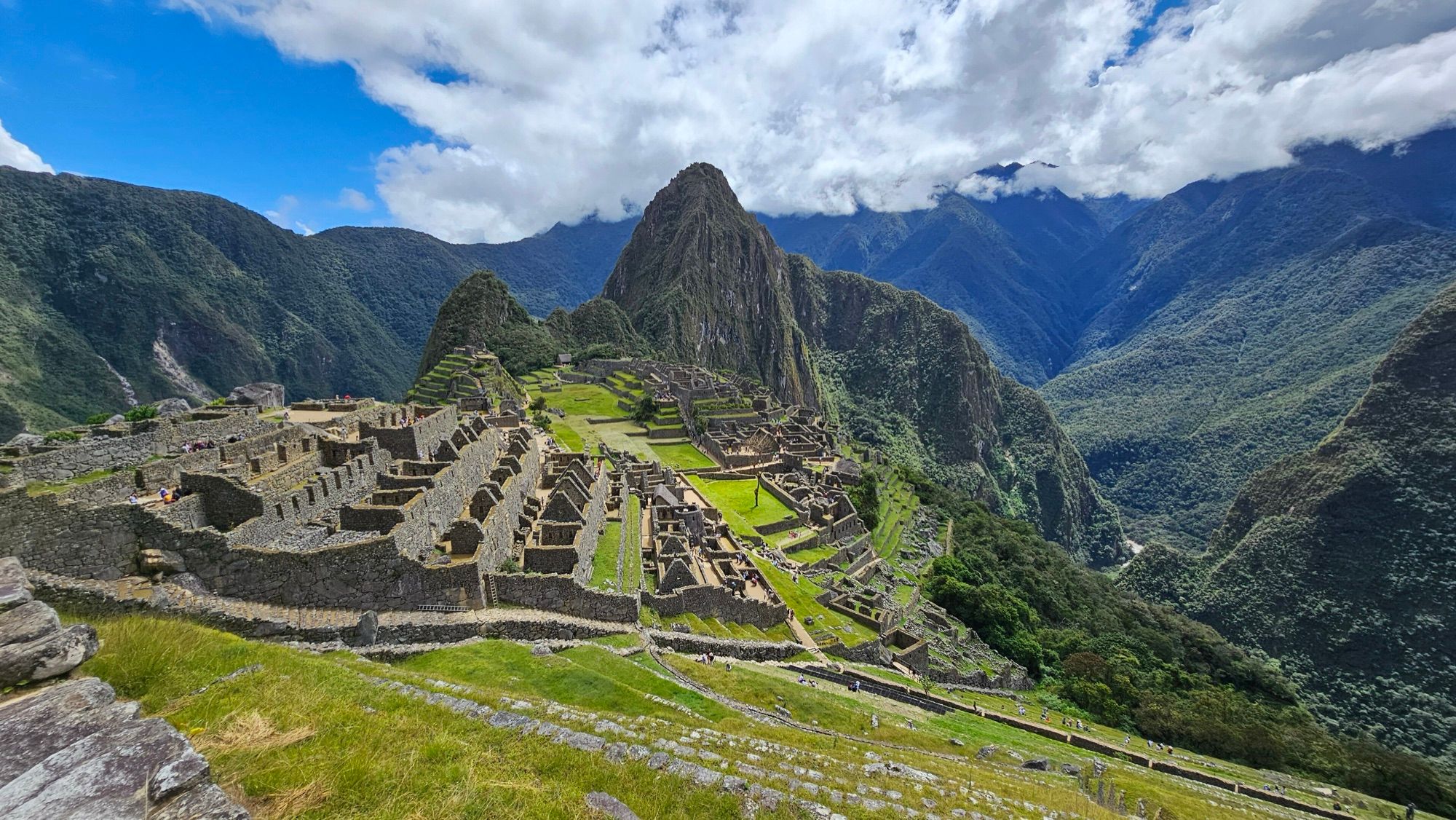
Peru packs thousands of years of history into one trip. In the Andes, Cusco was the capital of the Inca Empire, and its streets are still lined with walls of fitted Inca stone topped by Spanish churches. Below the city, the Sacred Valley of the Urubamba river is terraced from top to bottom, and at its far end Machu Picchu sits on a saddle between two peaks, the most famous ruin in South America. On the Pacific coast, Lima adds a colonial old town, clifftop districts and one of the best food scenes on the continent.
When to go
In the Andes, the dry season runs roughly from May to October: clear skies, sunny days and cold nights, and the busiest time at Machu Picchu. November to March is the rainy season, greener and quieter, with afternoon showers and morning cloud at the ruins. Machu Picchu is open all year; only the Inca Trail closes, in February, for maintenance. Lima barely sees rain: it's sunny from December to April and grey with a fine sea mist, the garúa, through the winter months.
Getting there from the UK
Lima is the gateway. LATAM has flown non-stop from London Heathrow to Lima, a flight of around 12 hours, and connecting flights run with airlines such as Avianca via Bogotá and Air Canada via Canada, from Heathrow and Manchester. From Lima it's a short domestic flight up to Cusco. Peru is five hours behind the UK in winter (six during British summer time).
Where to stay
- Lima: Miraflores and Barranco, on the cliffs above the Pacific, are the easiest bases, with restaurants, sea views and short rides to the historic centre.
- Cusco: stay in or near the historic centre, around the Plaza de Armas or in the hillside San Blas quarter, and explore on foot.
- Sacred Valley: towns such as Urubamba and Ollantaytambo sit lower than Cusco, are quieter, and are closer to the trains for Machu Picchu.
- Aguas Calientes: the small town below Machu Picchu, handy for an early start at the ruins.
What to do
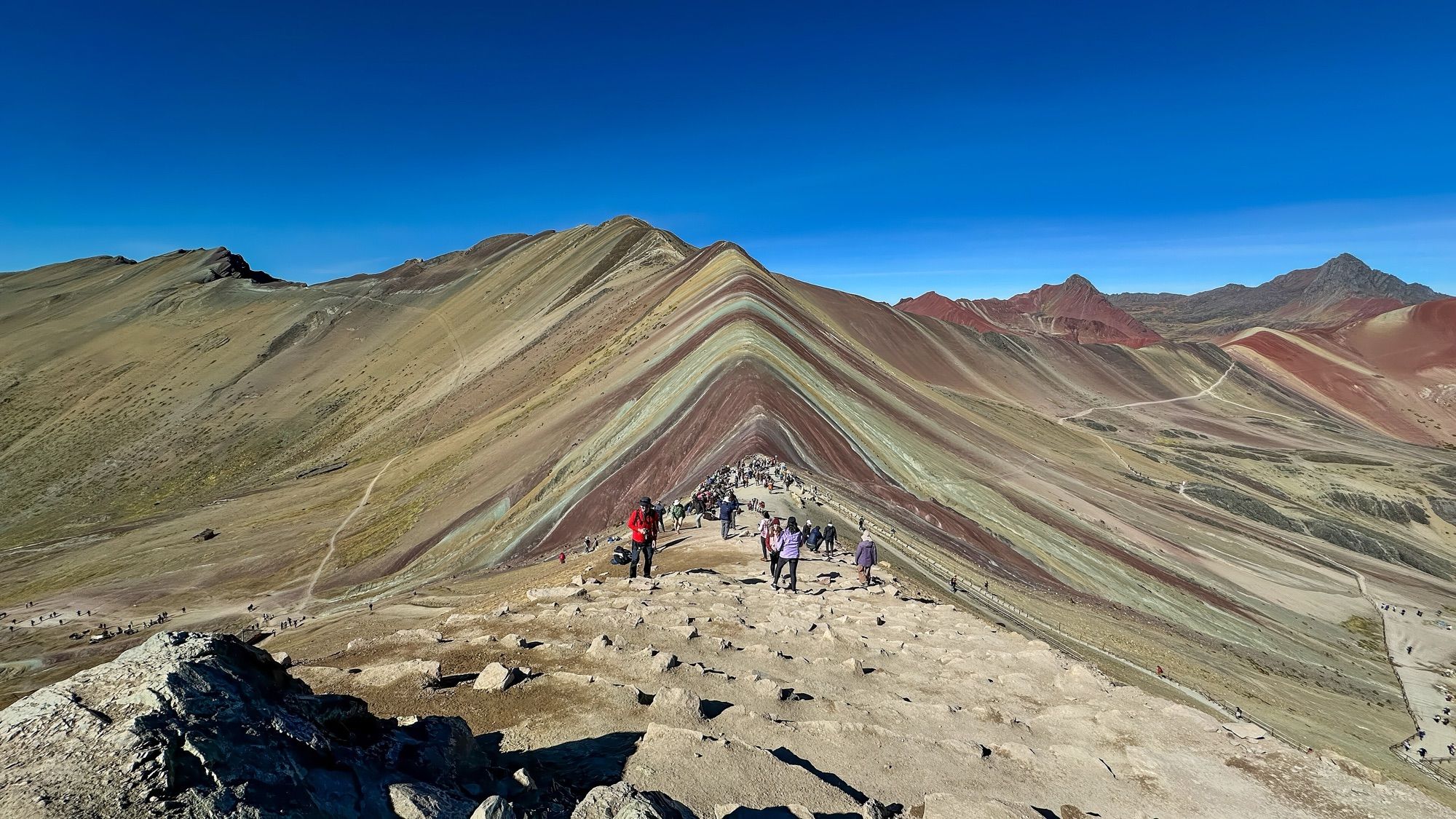
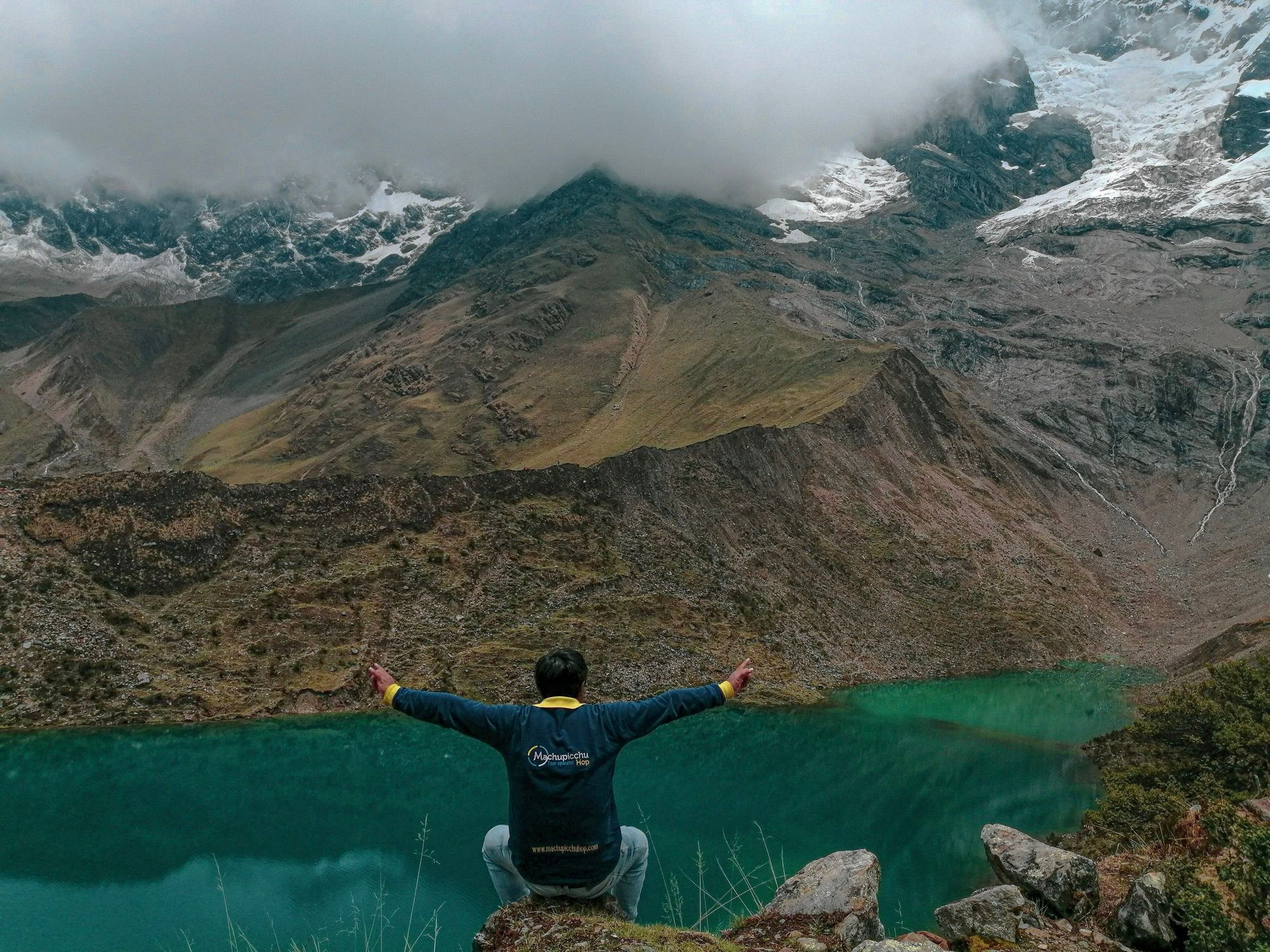
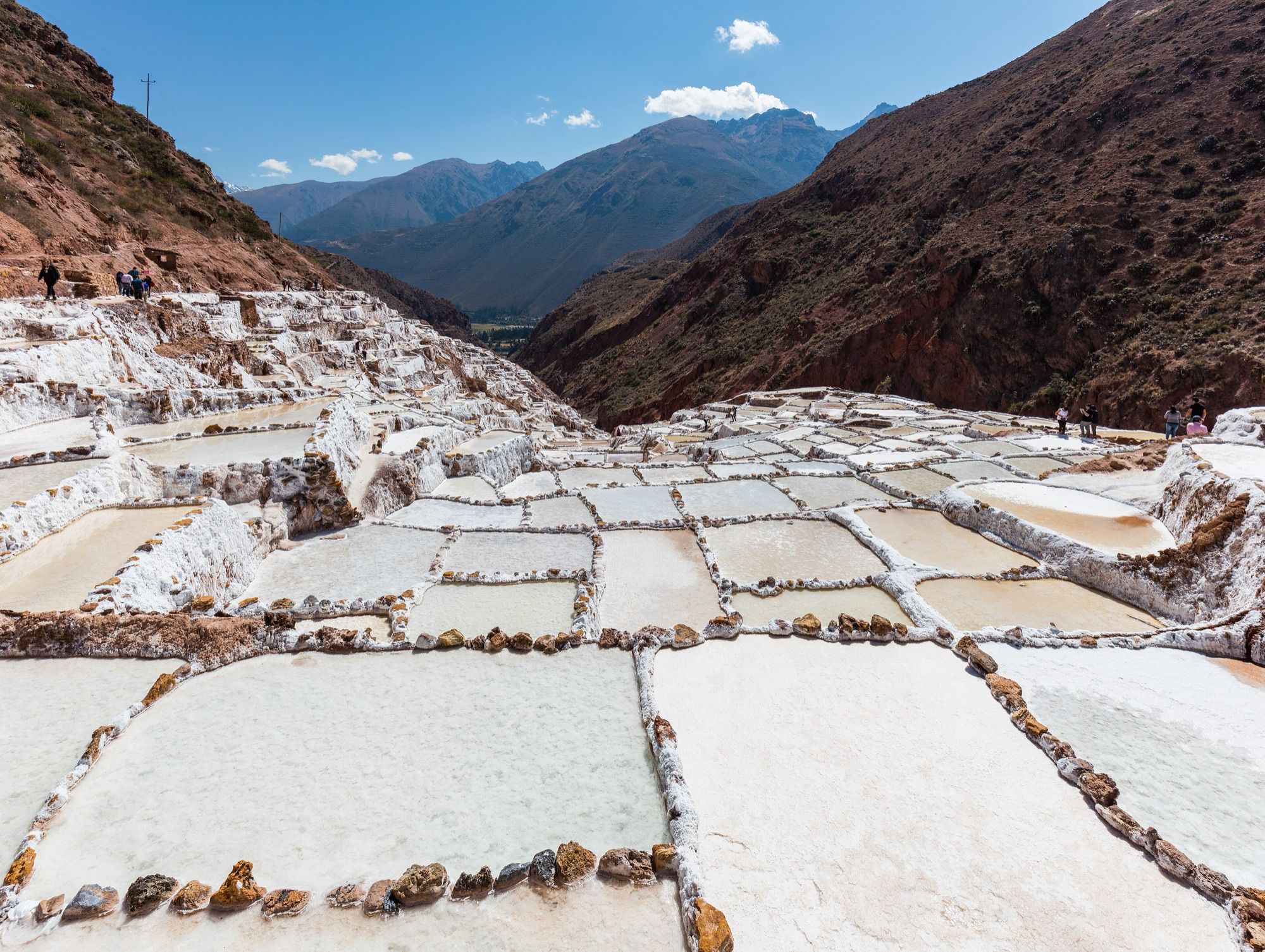
In Cusco, walk the Plaza de Armas, see the Qorikancha, the Inca Temple of the Sun with a convent built on top, and climb to the zigzag walls of Sacsayhuamán above the city. In the Sacred Valley, look down on the terraces of Pisac and Ollantaytambo, the circular terraces of Moray and the salt pans of Maras. Take the train along the Urubamba gorge and the bus up to Machu Picchu, and, if you've booked ahead, climb Huayna Picchu above it. Fit walkers head out early for Rainbow Mountain or the turquoise Humantay Lake. In Lima, tour the colonial centre and the Larco Museum, and take a cooking class.
Beyond the classic route
With more time, add Arequipa, the colonial "White City" built of pale volcanic stone, and the Colca Canyon, where Andean condors ride the thermals. Lake Titicaca, at around 3,800 metres on the border with Bolivia, is known for the Uros floating reed islands off Puno. And Peru's Amazon is a short flight away, with jungle lodges near Puerto Maldonado or Iquitos.
Food and drink
Ceviche, raw fish "cooked" in lime juice with chilli and red onion, is the national dish, and in 2023 UNESCO added it to its list of intangible heritage. Try lomo saltado (stir-fried beef with chips, a Chinese-Peruvian favourite), ají de gallina (chicken in a creamy yellow-chilli sauce) and some of the hundreds of Andean potatoes. Drink a pisco sour or chicha morada, a sweet purple-corn drink.
Good to know
- Altitude: Cusco is at about 3,400 metres. Take your first day slowly, drink plenty of water and go easy on alcohol. Machu Picchu (about 2,430 metres) and the Sacred Valley are lower.
- Currency: Peruvian sol (PEN). Cards are widely accepted in cities; carry cash for markets and small shops.
- Language: Spanish; Quechua is widely spoken in the Andes.
- Plugs: types A and C, at 220 volts. Bring an adapter.