Costa Rica
Volcanoes, cloud forest and Pacific beaches: Costa Rica packs Arenal, Monteverde and Manuel Antonio's sloths and monkeys into one trip.
Why go
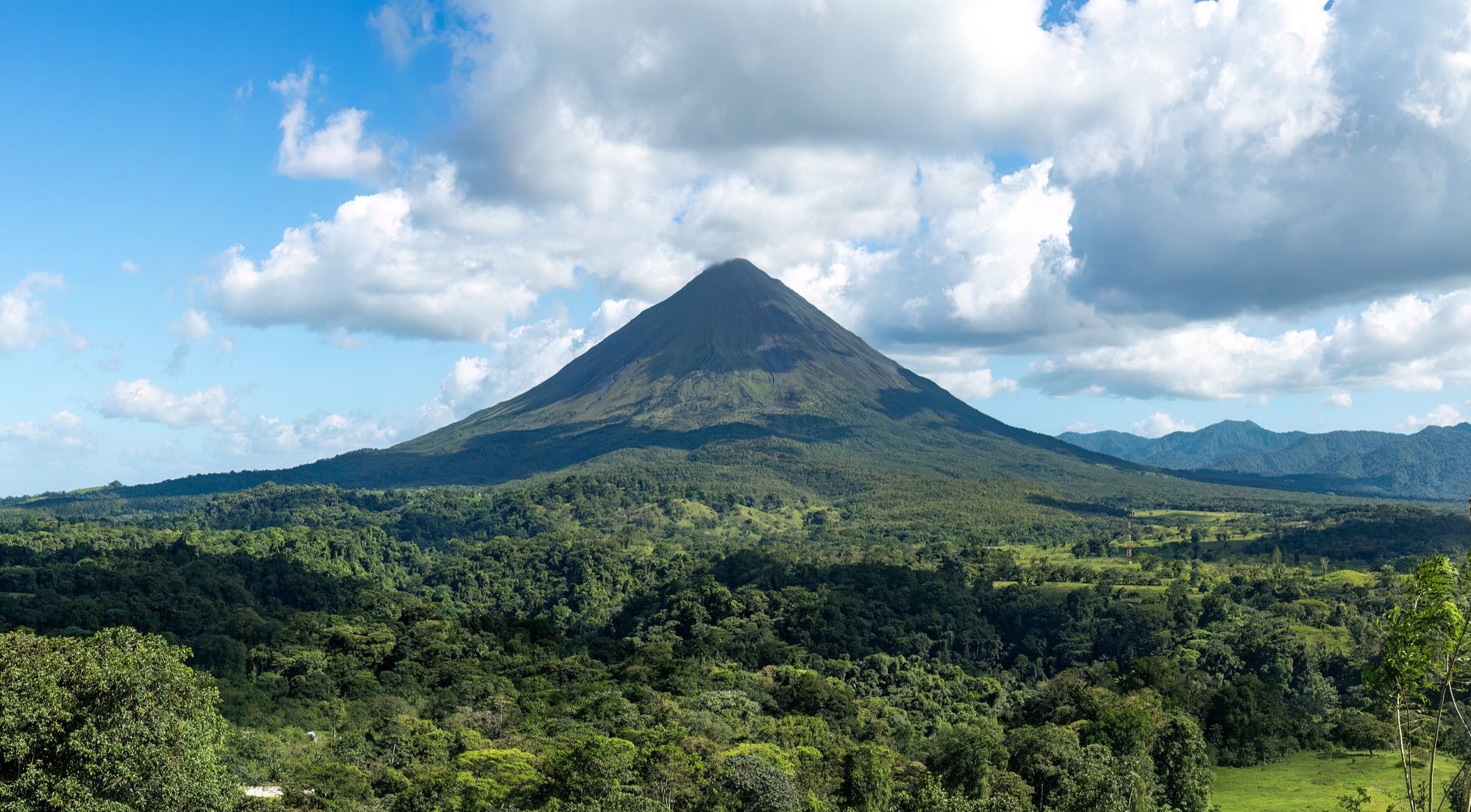
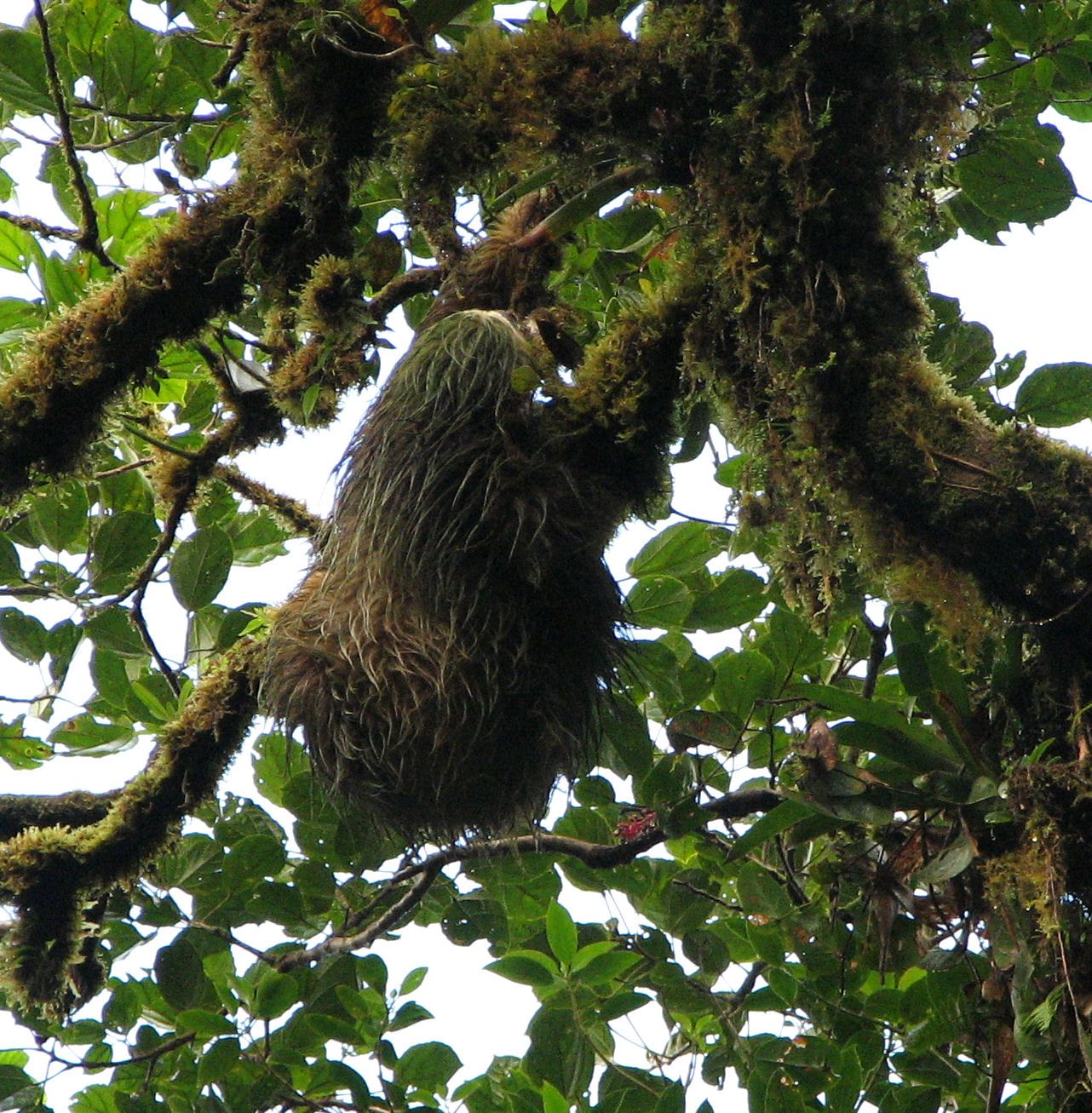
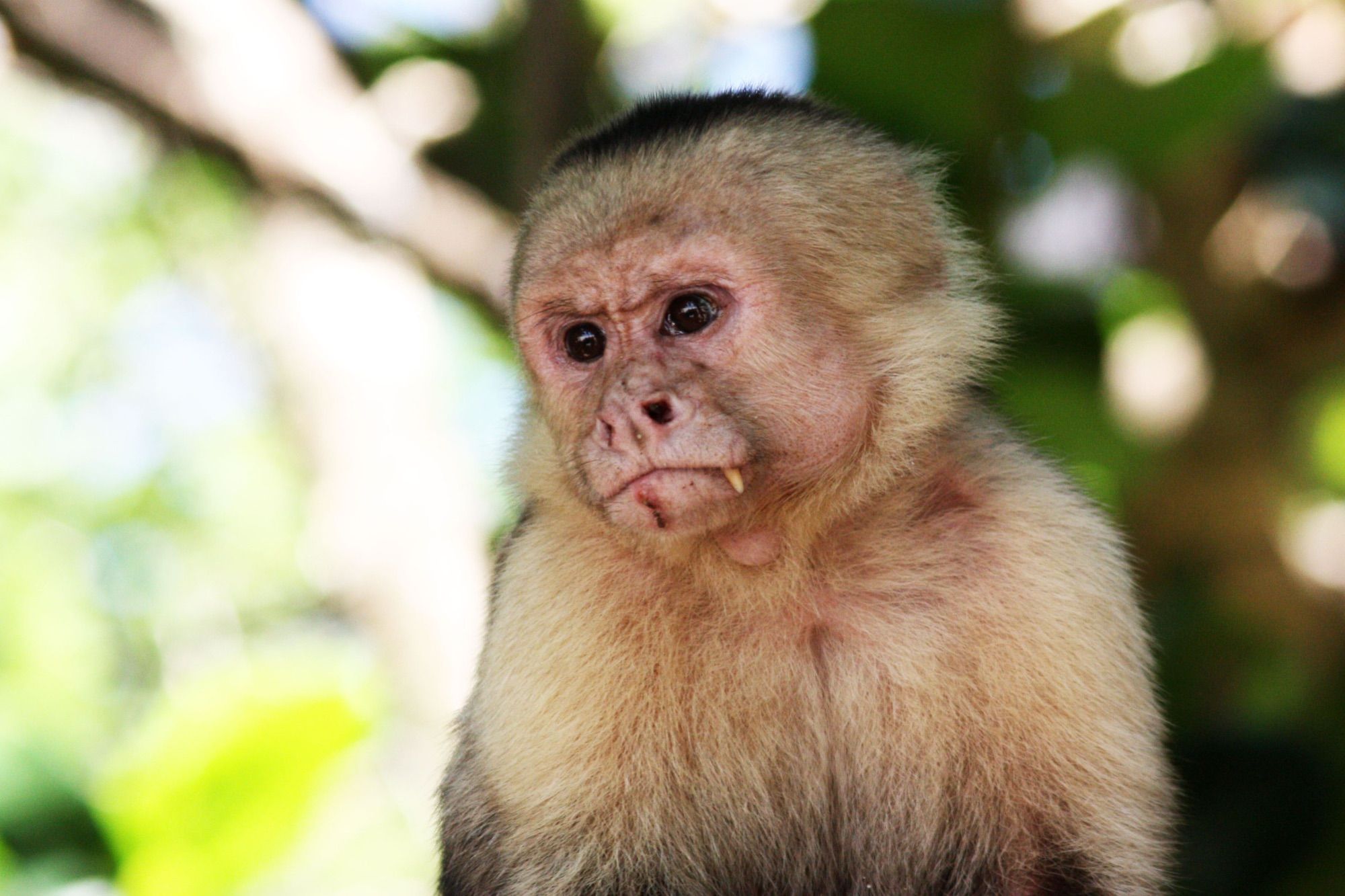
Costa Rica squeezes volcanoes, cloud forest, rainforest and two coastlines into one small country, and around a quarter of it is protected as national parks and reserves. In a single trip you can watch the perfect cone of Arenal from a hot spring, walk among the mosses and orchids of Monteverde, and finish on a Pacific beach with capuchin monkeys in the trees behind you. Wildlife is the point: sloths, toucans, howler monkeys, tree frogs and hummingbirds turn up on almost every walk. The local motto, pura vida, sums up the easy-going pace.
When to go
The dry season on the Pacific side and in the Central Valley runs from December to April: sunny days, little rain and the busiest, most expensive time. May to November is the green season, with sunny mornings and heavy afternoon showers, lusher forests, fewer people and lower prices; September and October are the wettest months on the Pacific coast. The Caribbean side follows its own pattern, often drier in September and October. Monteverde, at around 1,400 metres, is cooler and often misty all year, so pack a fleece and a rain jacket.
Getting there from the UK
San José's Juan Santamaría airport is the gateway. British Airways flies non-stop from London Heathrow, a flight of around 11 hours, and connecting flights run via the United States with airlines such as JetBlue, American and United. Costa Rica is six hours behind the UK in winter and seven during British summer time, as it doesn't change its clocks.
Where to stay
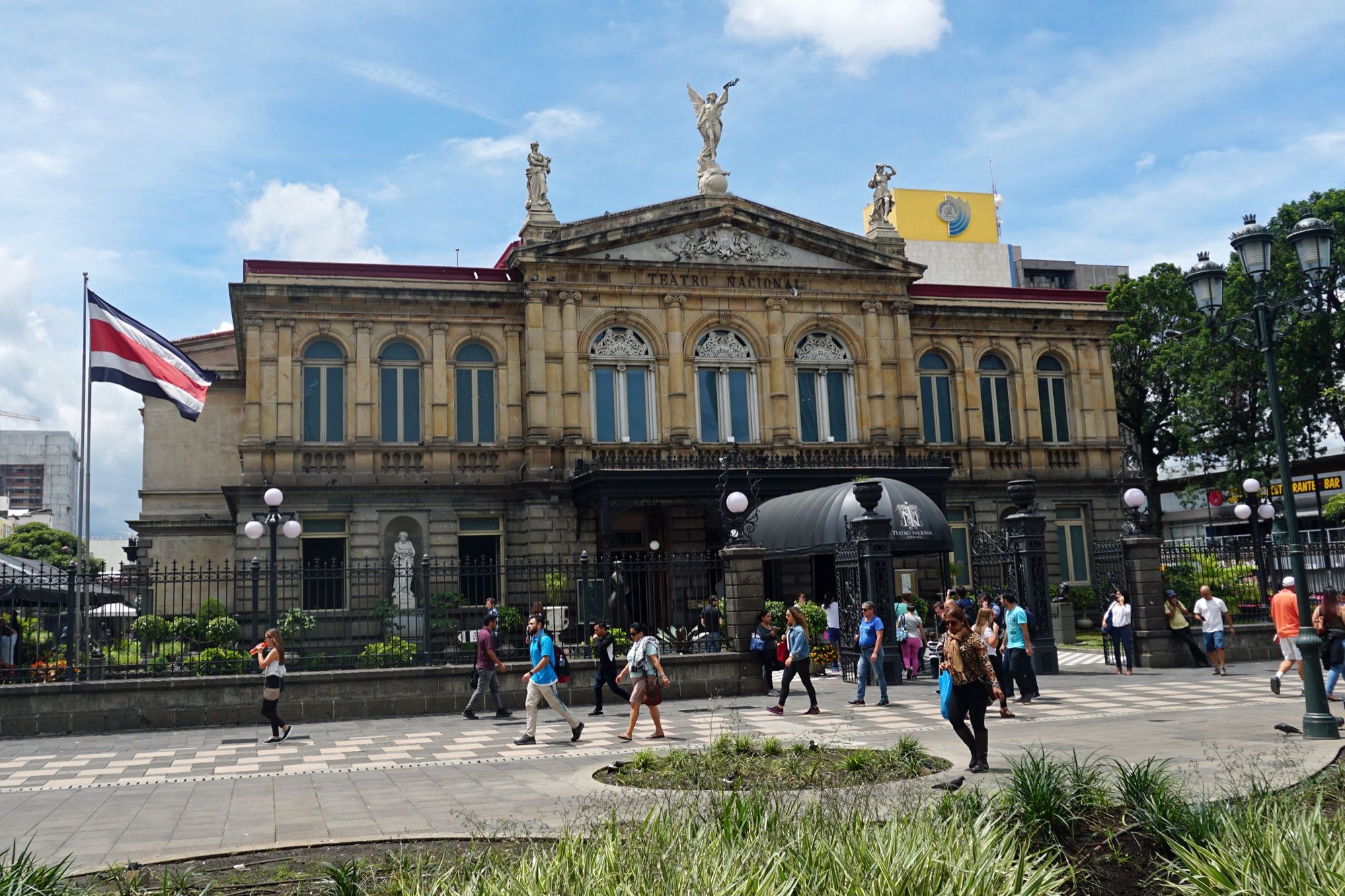
- San José and the Central Valley: the capital, at about 1,150 metres, with museums, markets and the theatre. Most trips spend a night or two here on arrival.
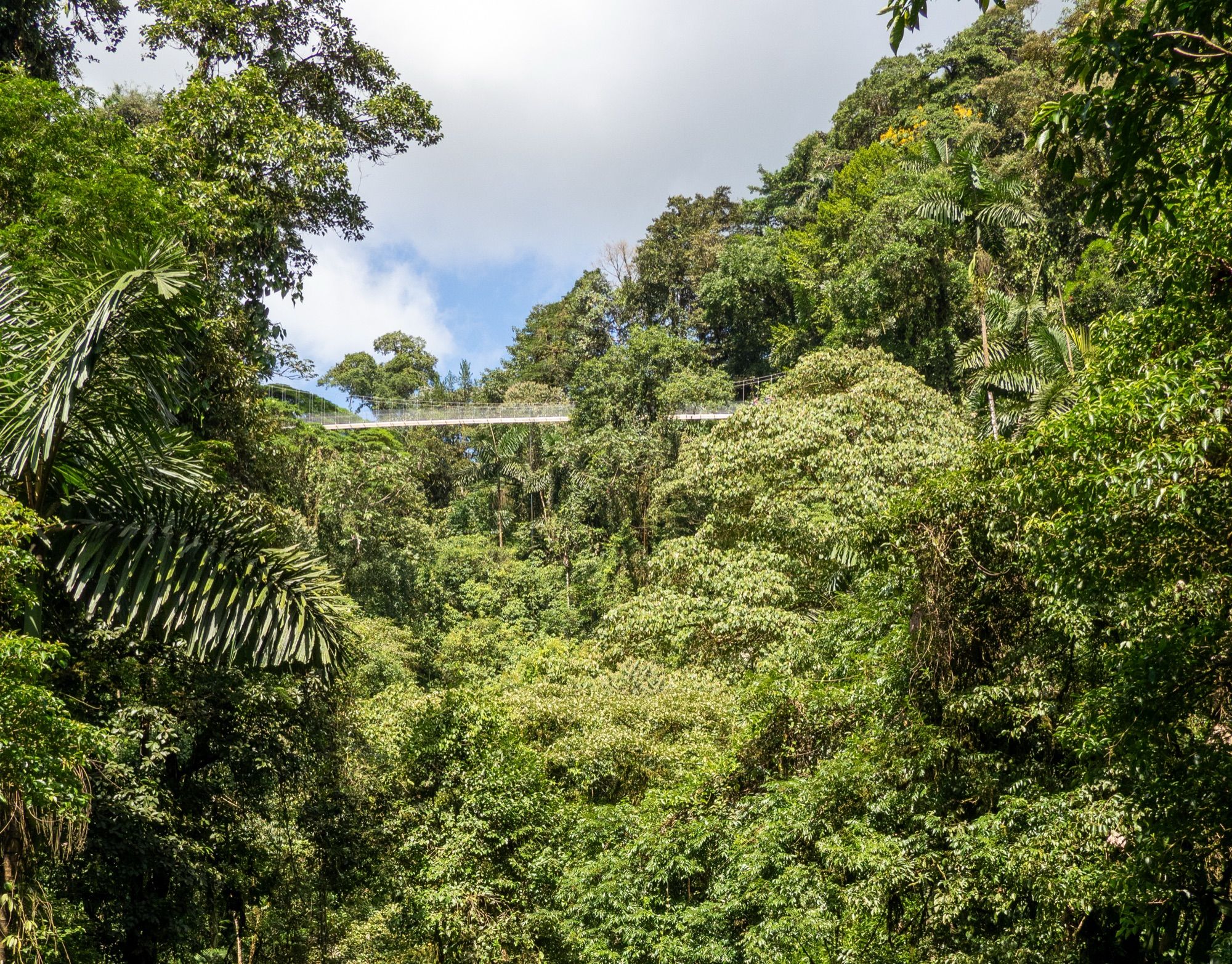
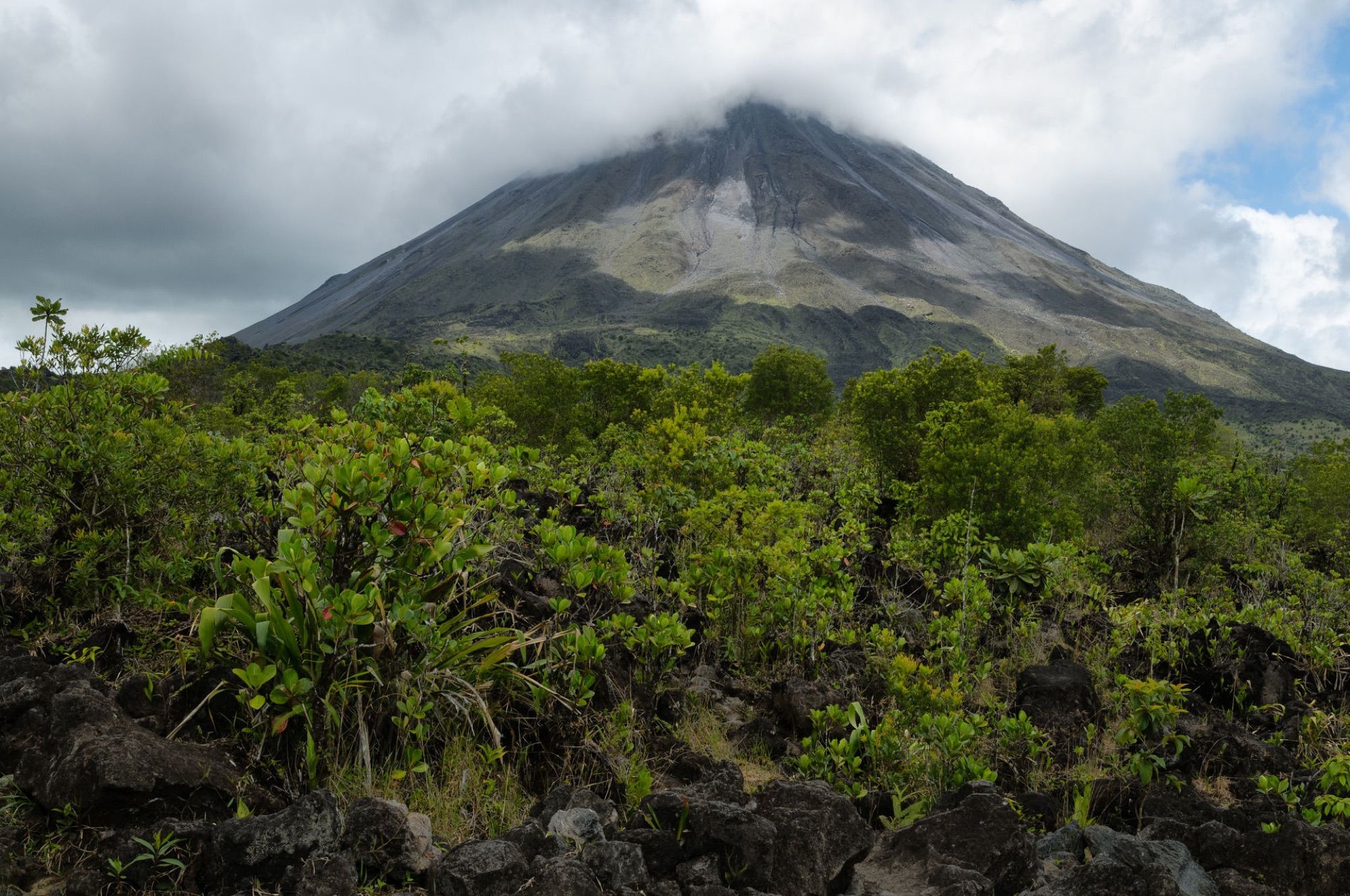
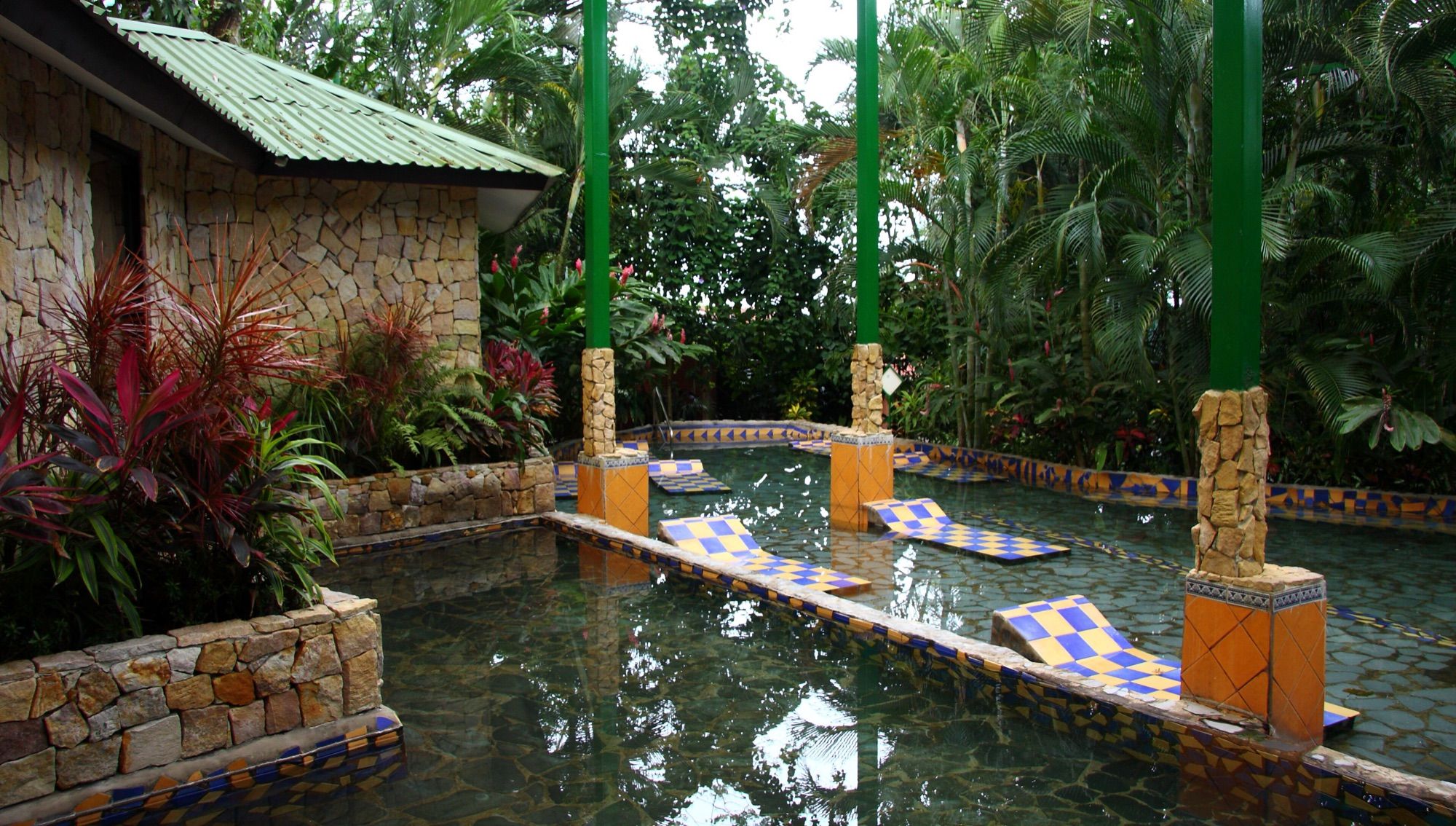
- Arenal and La Fortuna: the town at the foot of Arenal Volcano, base for hanging bridges, volcano hikes, waterfalls and hot springs.
- Monteverde: the village of Santa Elena and the cloud forest reserves around it, high on the Tilarán mountains, for night walks, zip lines and birdwatching.
- Manuel Antonio and Quepos: the Pacific coast, with a national park full of wildlife, white-sand coves and boat trips from the Quepos marina.
- Guanacaste: the dry north-west, with long beaches and the main resort hotels, reached via Liberia airport.
What to do
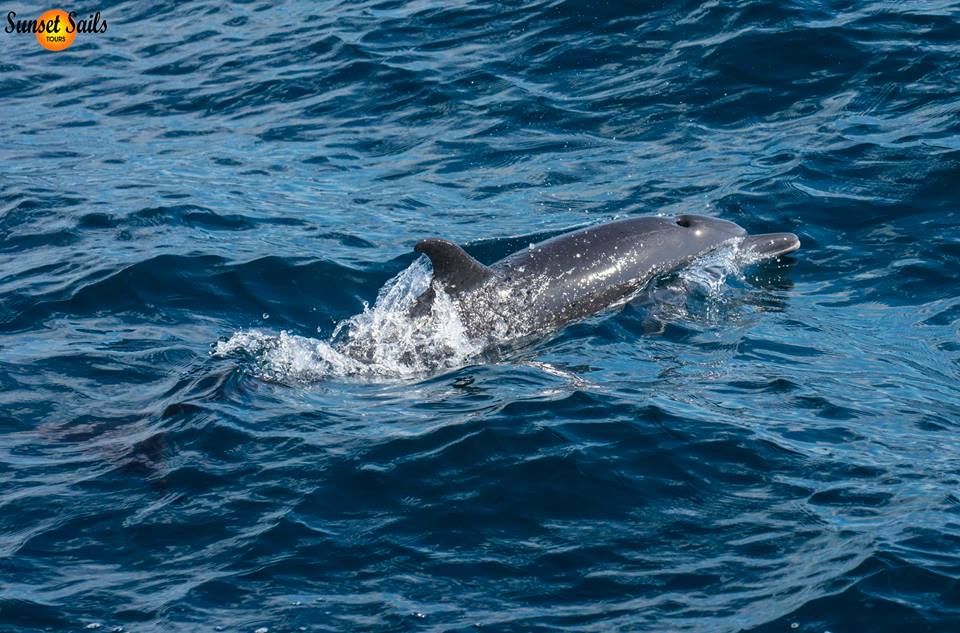
Walk the trails of Arenal Volcano National Park across old lava flows, cross the hanging bridges through the rainforest canopy, and soak in volcanic hot springs in the evening. In Monteverde, look for the resplendent quetzal in the reserves by day, zip-line over the treetops, and join a guided night walk to find sleeping birds, tarantulas and tree frogs. At Manuel Antonio, a guide with a telescope spots sloths and monkeys that most people walk straight past, and a catamaran trip along the coast often meets dolphins. In San José, see the National Theatre and the Pre-Columbian Gold Museum, and wander the Central Market.
Food and drink
Breakfast is gallo pinto, rice and black beans fried together and served with eggs, plantain and natilla, a soured cream. At lunch, order a casado, a set plate of rice, beans, salad, plantain and fish, chicken or meat, at a local soda (a small family-run café). Try ceviche on the coast, fresh fruit drinks (refrescos naturales), local coffee from the highlands and an Imperial beer.
Good to know
- Currency: Costa Rican colón (CRC). US dollars are widely accepted and many tours are priced in dollars; cards work almost everywhere.
- Language: Spanish. English is widely spoken in tourist areas.
- Plugs: types A and B, as in North America, at 120 volts. Bring an adapter.
- National parks: Manuel Antonio National Park is closed on Tuesdays and limits daily visitors, so tickets are booked in advance.
- Wildlife: sightings depend on luck and the season. A local guide makes a real difference.