China
Beijing's Forbidden City and Great Wall, Xi'an's Terracotta Army and Shanghai's Bund: China's classic first trip in three cities.
Why go
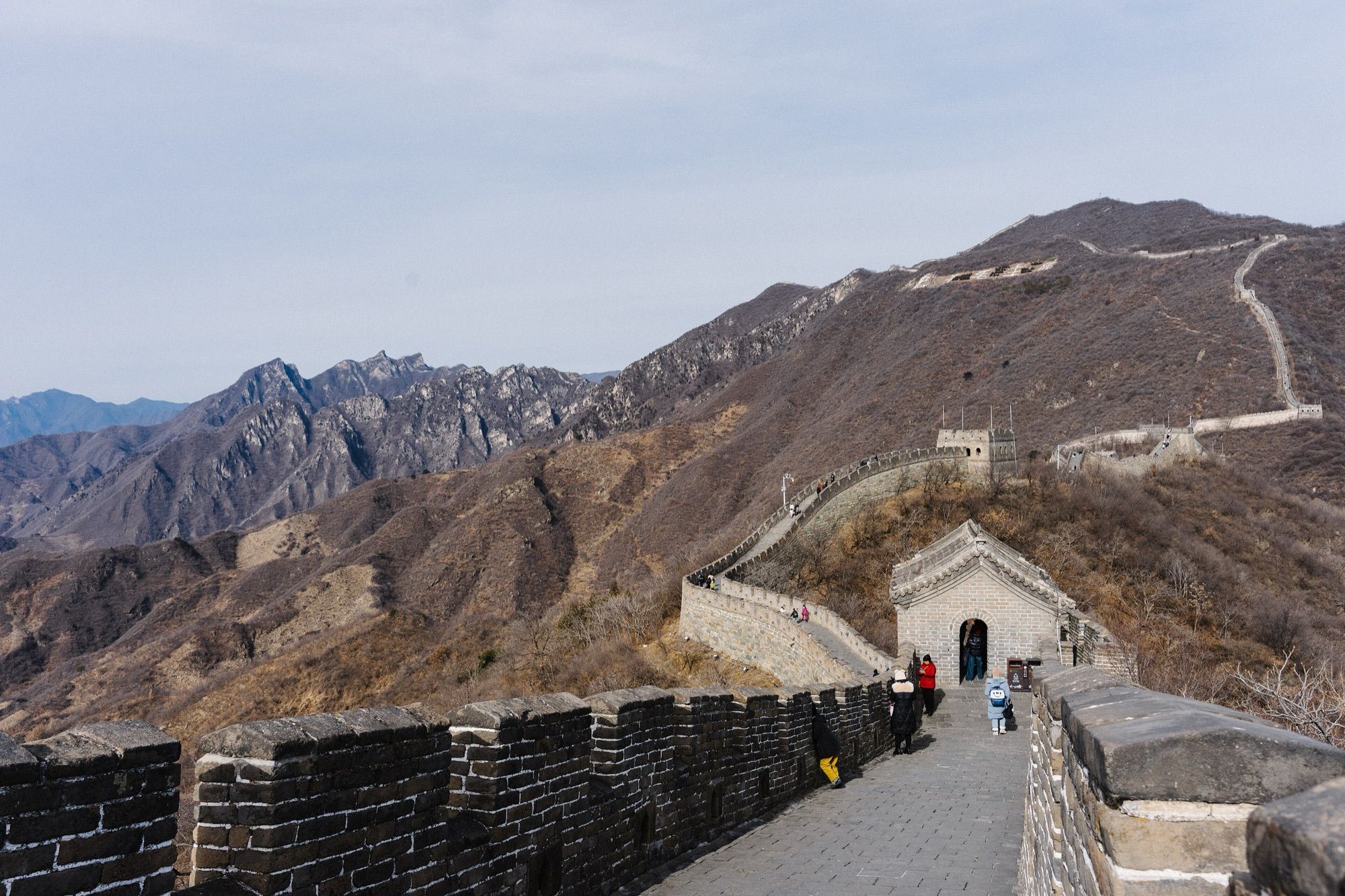
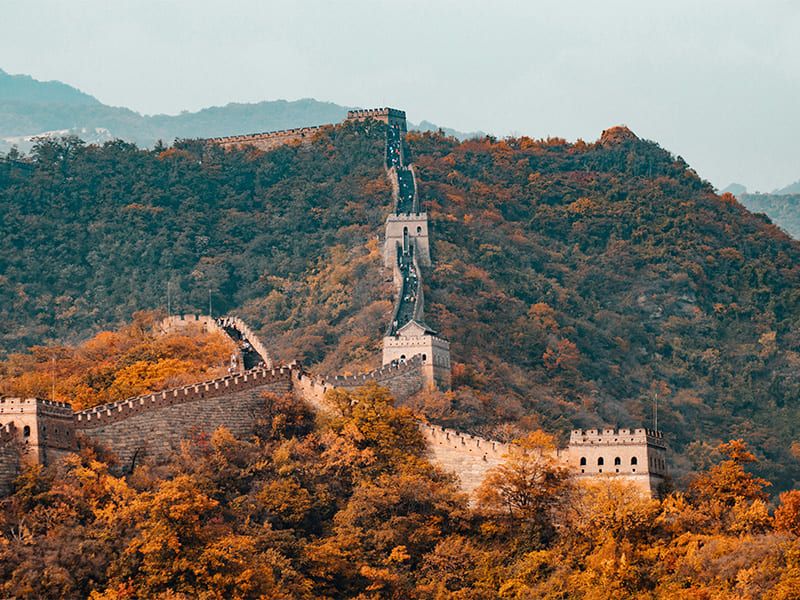
China's classic first trip links three very different cities. Beijing was the seat of emperors for five centuries: you cross Tiananmen Square into the Forbidden City, the vast walled palace of the Ming and Qing dynasties, and drive out to the Great Wall as it climbs the mountain ridges north of the capital. Xi'an, at the eastern end of the old Silk Road, still sits inside its Ming city wall, and just outside town thousands of life-size clay soldiers stand guard over the tomb of China's first emperor. Shanghai is the China of today: the 1920s banks and hotels of the Bund face the towers of Pudong across the Huangpu River.
When to go
Spring (April and May) and autumn (September and October) are the best months, with mild days in all three cities and clear skies for the Great Wall. Summer is hot in Beijing and Xi'an, often above 35°C, and from June to mid-July the "plum rain" brings grey, drizzly weeks to Shanghai. Winter in the north is cold and dry, with fewer visitors. Avoid the national holidays if you can: the first week of October (Golden Week) and the start of May fill trains, hotels and sights.
Getting there from the UK
China Southern Airlines flies from London Heathrow, including a daily service to Beijing Daxing, and Etihad connects Manchester with China through Abu Dhabi. Beijing to Xi'an takes from about four and a half hours on the high-speed train, and Xi'an to Shanghai is around two hours by air. China is eight hours ahead of the UK in winter and seven during British summer time.
Where to stay
- Beijing: stay near Wangfujing or Dongcheng, close to the Forbidden City and the old hutong lanes, with the metro on the doorstep.
- Xi'an: inside or just outside the city wall, near the Bell Tower, for the Muslim Quarter and an evening on the wall.
- Shanghai: around People's Square, Nanjing Road or the Bund, so you can walk the waterfront at night.
What to do
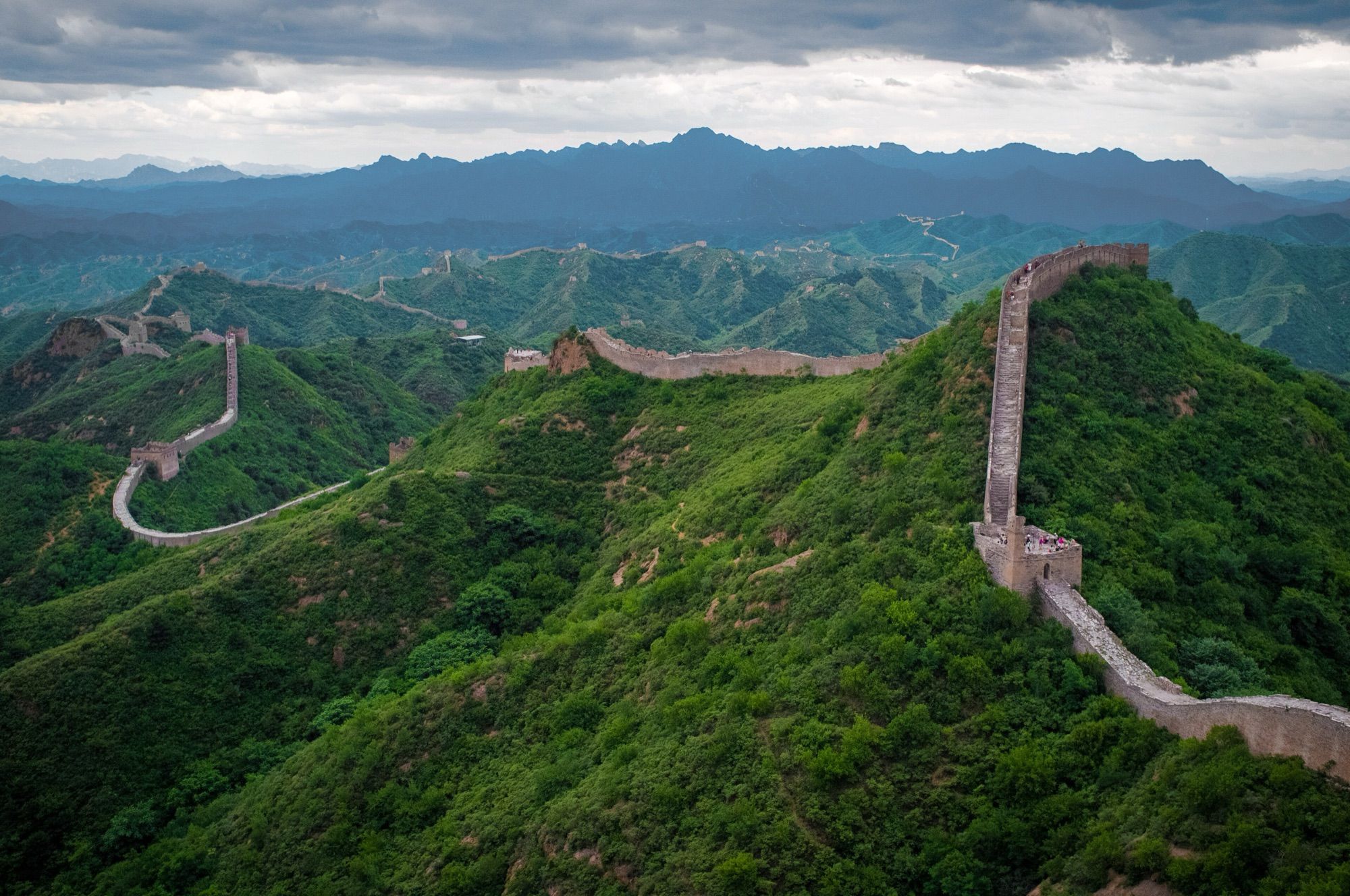
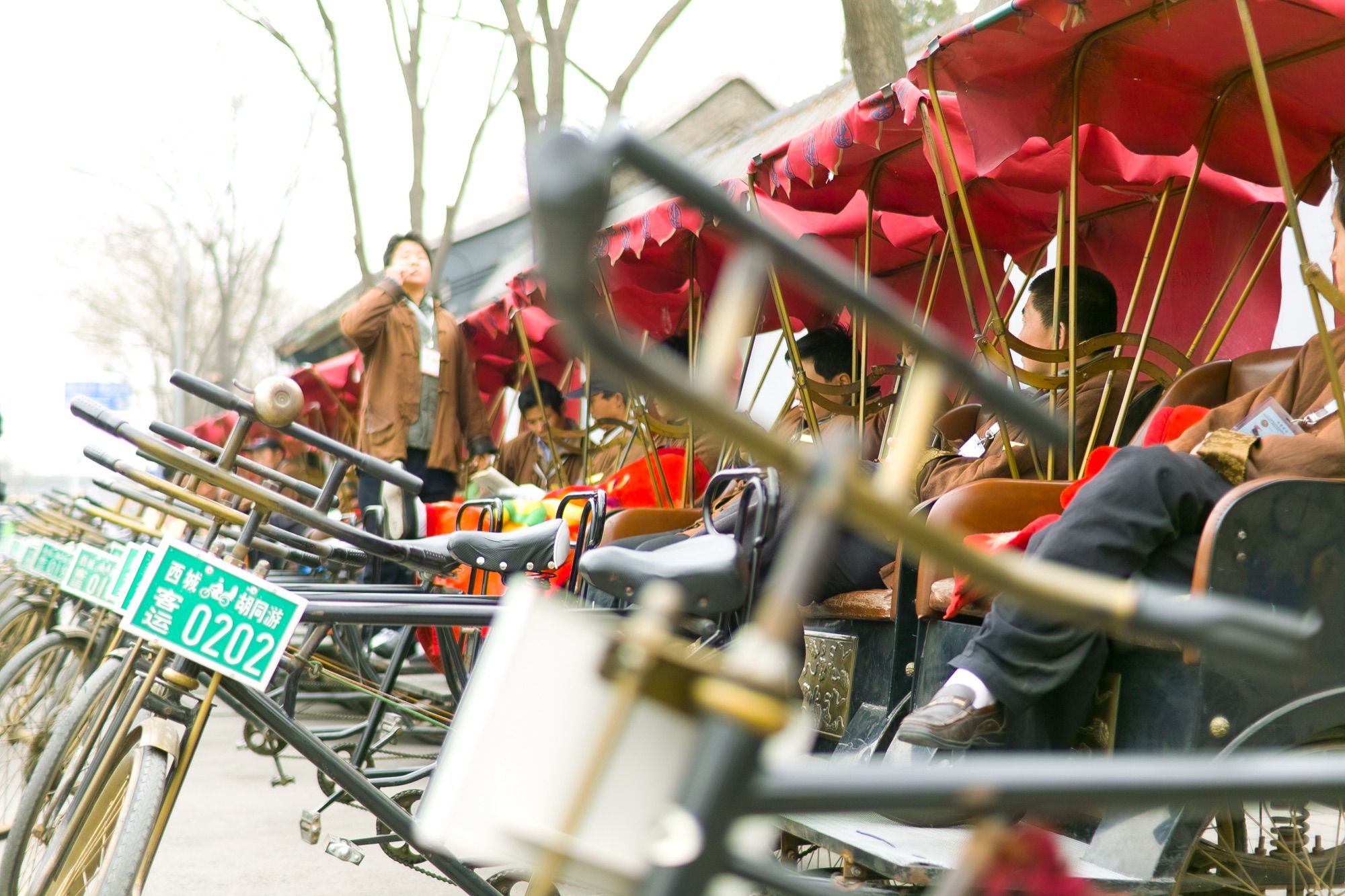
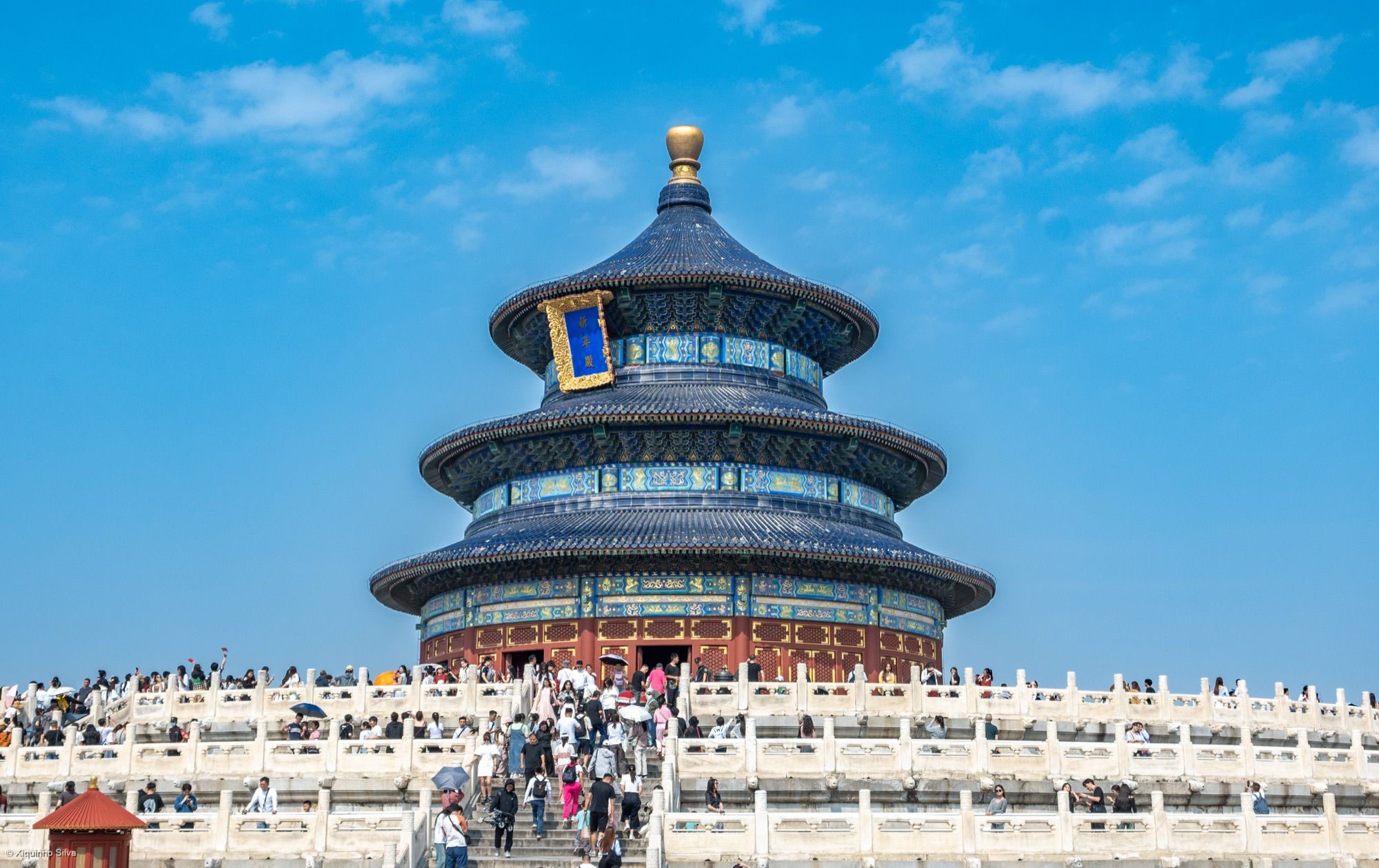
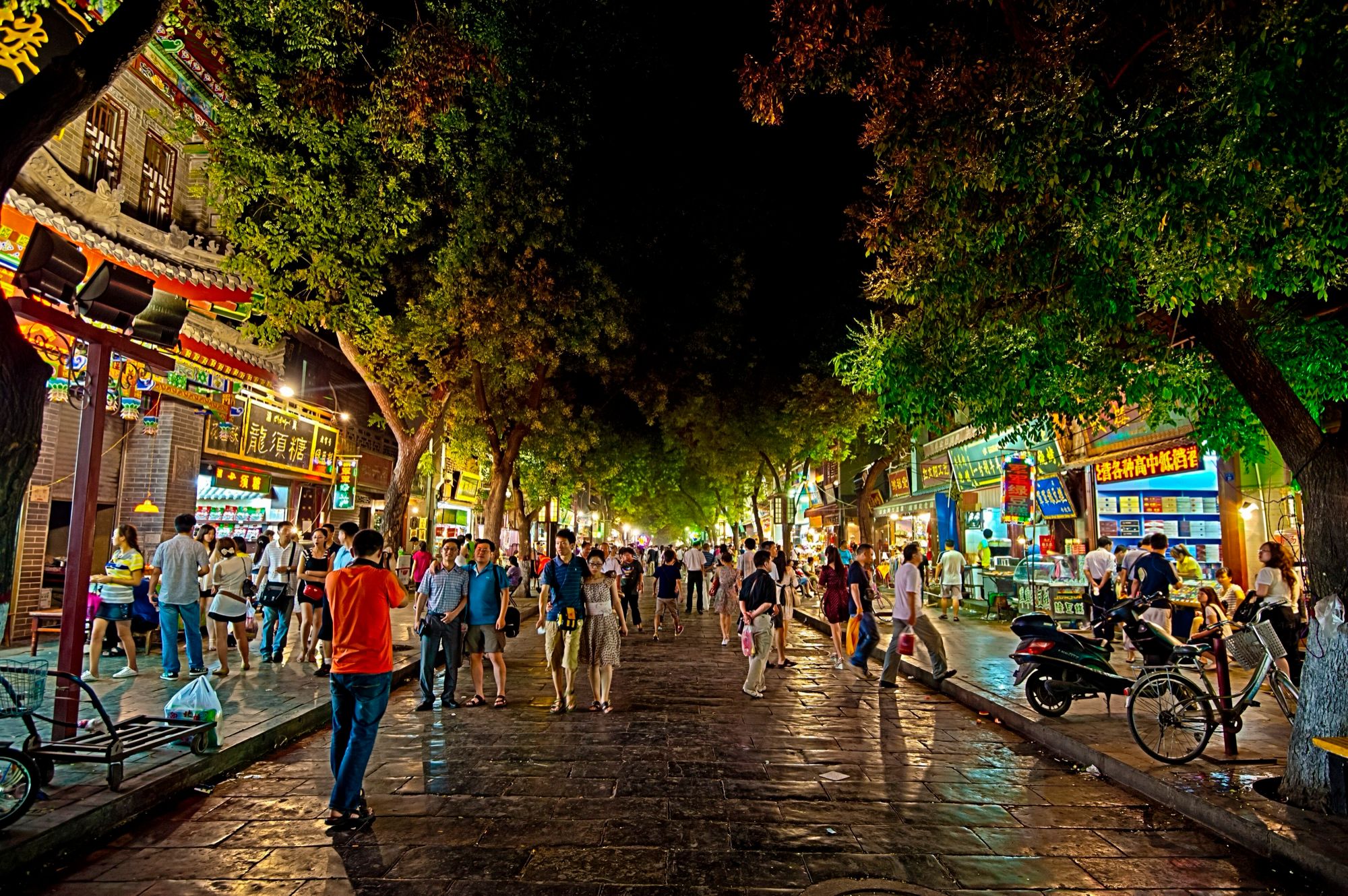
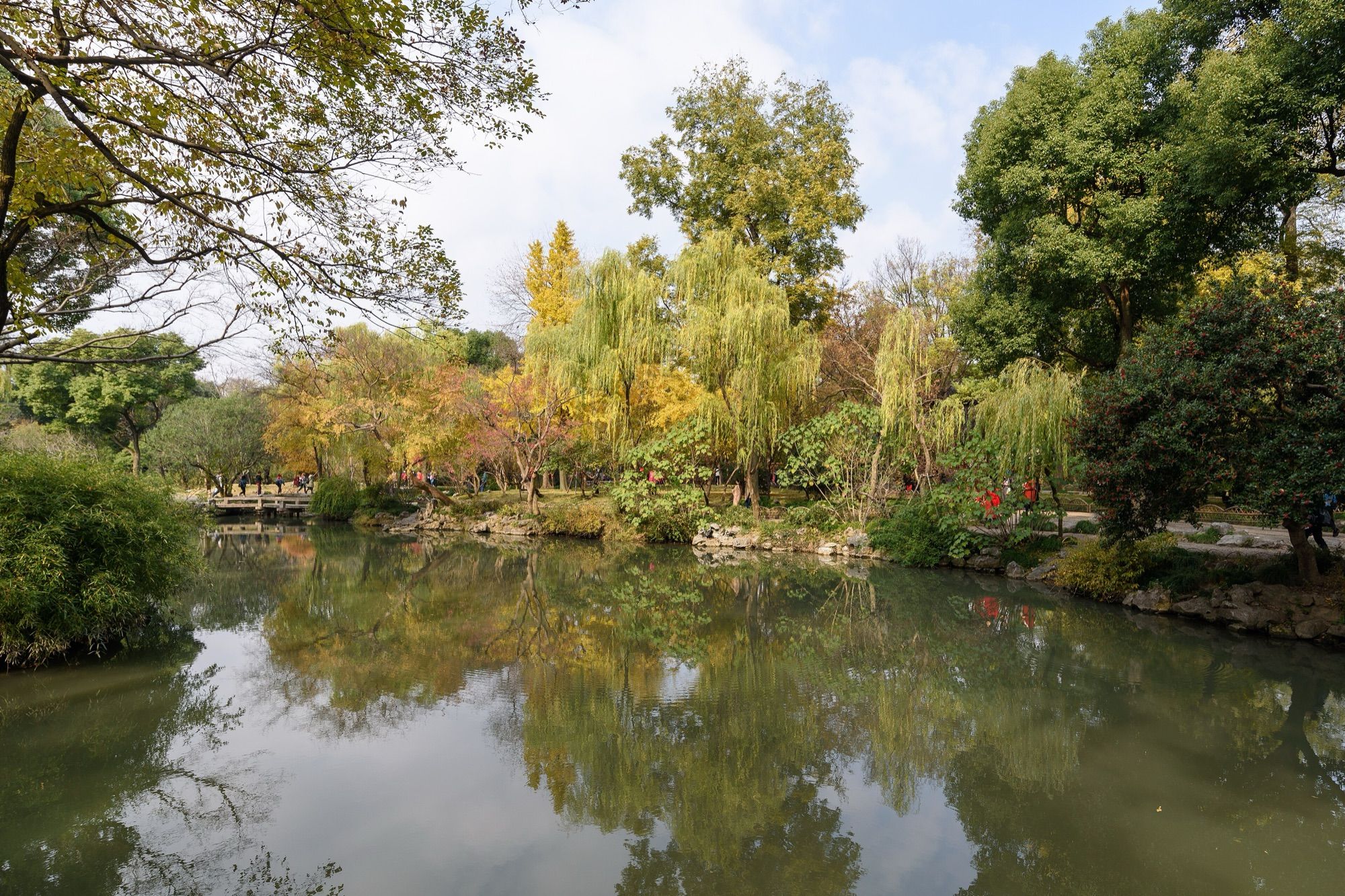
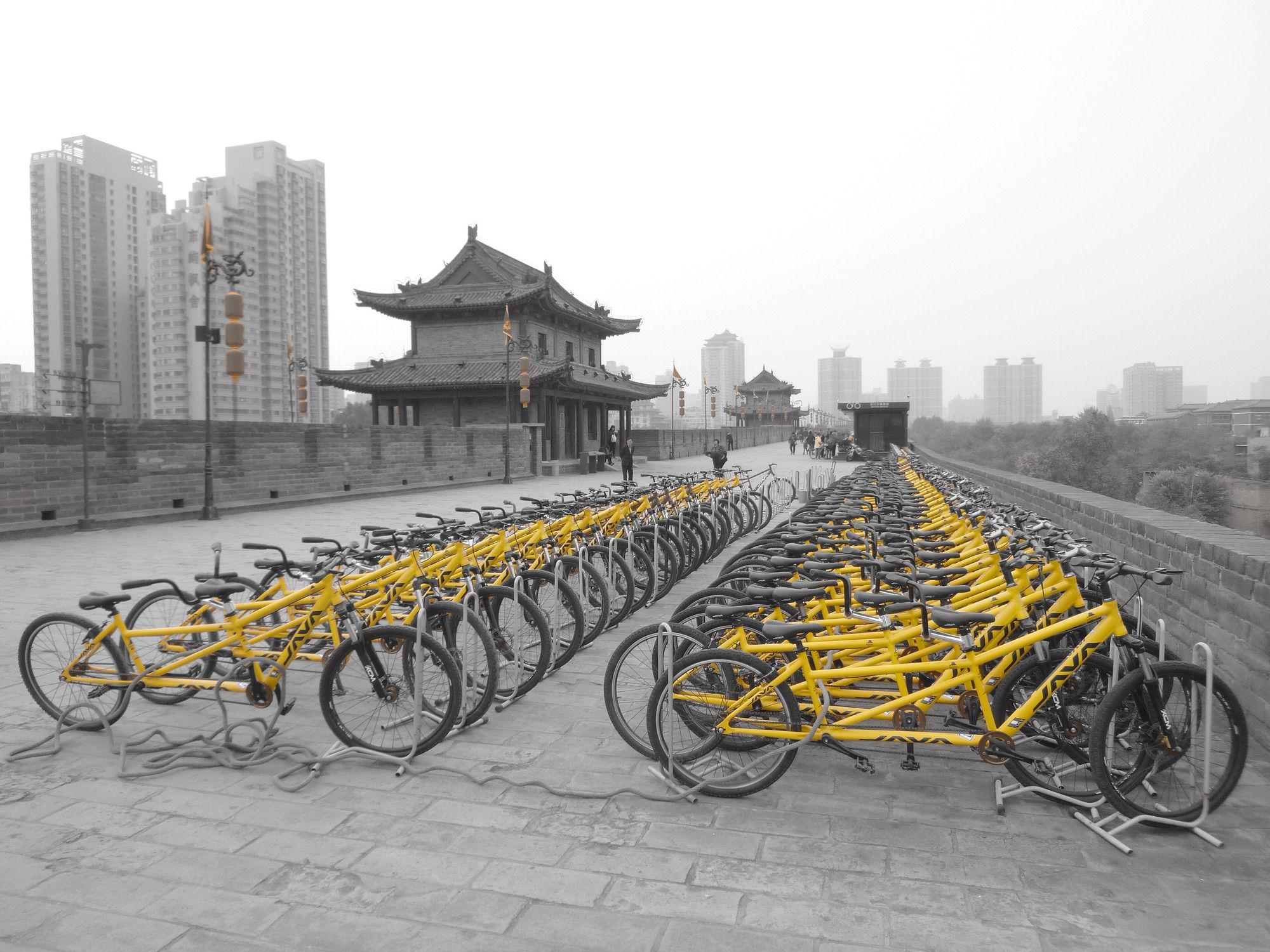
In Beijing, see the Temple of Heaven and the lakeside Summer Palace, and take a rickshaw through the hutongs around Shichahai and the Drum Tower. Walk a wilder stretch of the Great Wall at Jinshanling. In Xi'an, cycle the 13.7-kilometre loop on top of the city wall and graze your way through the Muslim Quarter at dusk. In Shanghai, take an evening cruise on the Huangpu, wander Yu Garden and the old town, and hop on the train to the classical gardens and canals of Suzhou.
Beyond the classic route
With more time, fly south to Guilin and drift down the Li River to Yangshuo between limestone peaks. Chengdu, in Sichuan, is home to the Giant Panda Breeding Research Base and some of China's spiciest cooking. In Hunan, the sandstone pillars of Zhangjiajie rise straight out of the forest.
Food and drink
Beijing's signature is roast duck, carved at the table and wrapped in thin pancakes with spring onion, cucumber and sweet bean sauce. Xi'an is a city of noodles and street food: try biangbiang noodles, wide and hand-pulled, roujiamo (meat in a flatbread) and yangrou paomo, lamb soup with torn bread. In Shanghai, order xiaolongbao, soup dumplings, and a bowl of red-braised pork.
Good to know
- Currency: renminbi (yuan, CNY). Mobile payment (Alipay and WeChat Pay) is used everywhere, and both now accept foreign cards; carry some cash too.
- Apps: Google, WhatsApp and many Western apps don't work without a roaming SIM or eSIM, so plan ahead.
- Sights: tickets for the Forbidden City are timed and booked in advance with your passport details, and it is usually closed on Mondays.
- Language: Mandarin Chinese. A translation app helps outside the main sights.
- Plugs: types A, C and I, at 220 volts. Bring an adapter.