Central Europe
Bratislava and Vienna as your bases, with day trips to Slovak castles, the High Tatras, Budapest, Hallstatt and Salzburg.
Why go
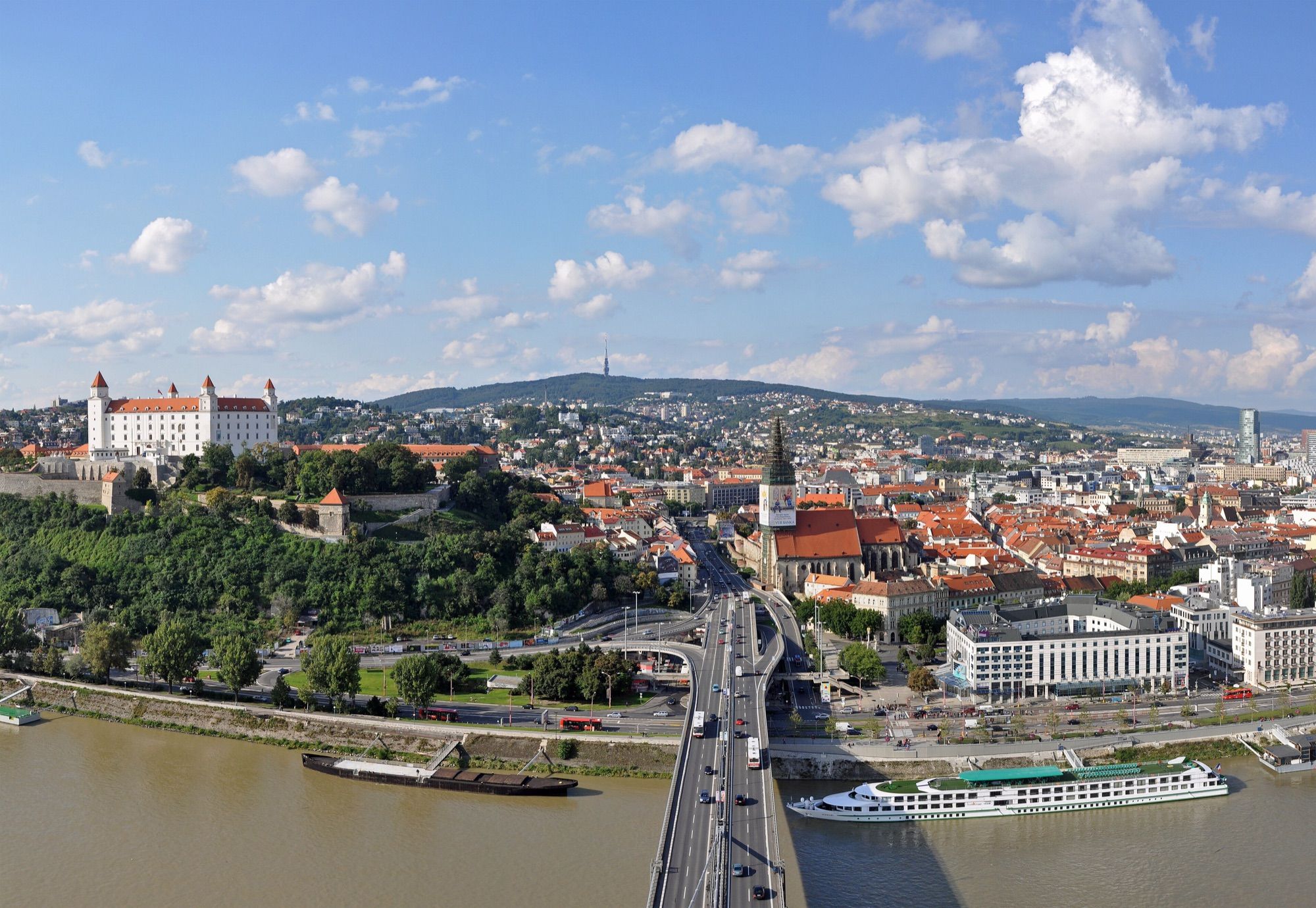
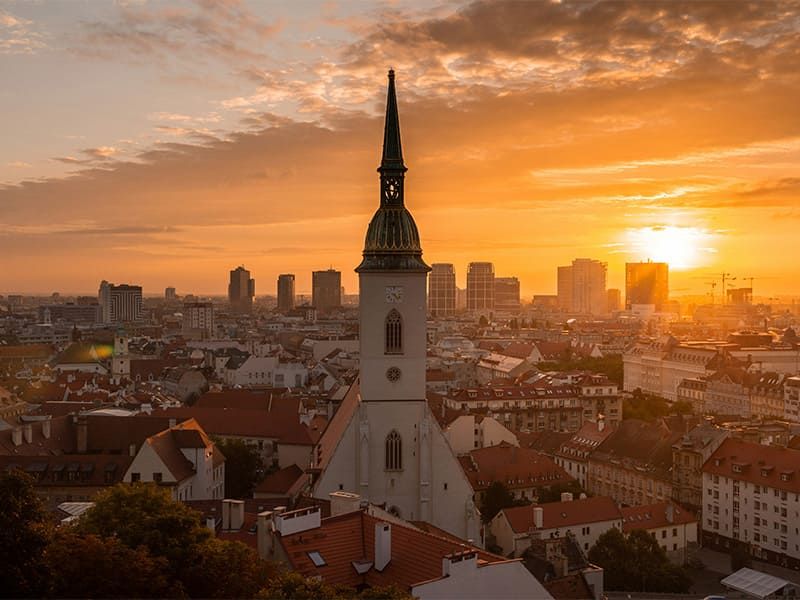
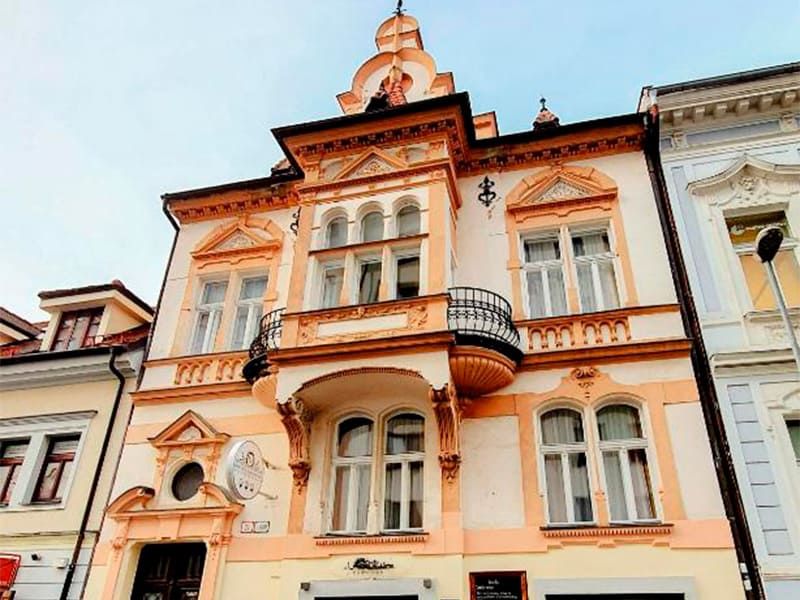
Two capitals sit just 55 kilometres apart on the Danube, and between them they open up a whole corner of Europe. Bratislava is compact and easy-going: a walkable Old Town of pastel palaces and cobbled lanes, a white castle on the hill and terraces where a coffee or a glass of Slovak wine costs little. Vienna, an hour away by train, brings imperial grandeur: St Stephen's Cathedral, the Hofburg, Schönbrunn Palace and coffee houses where cake is taken seriously.
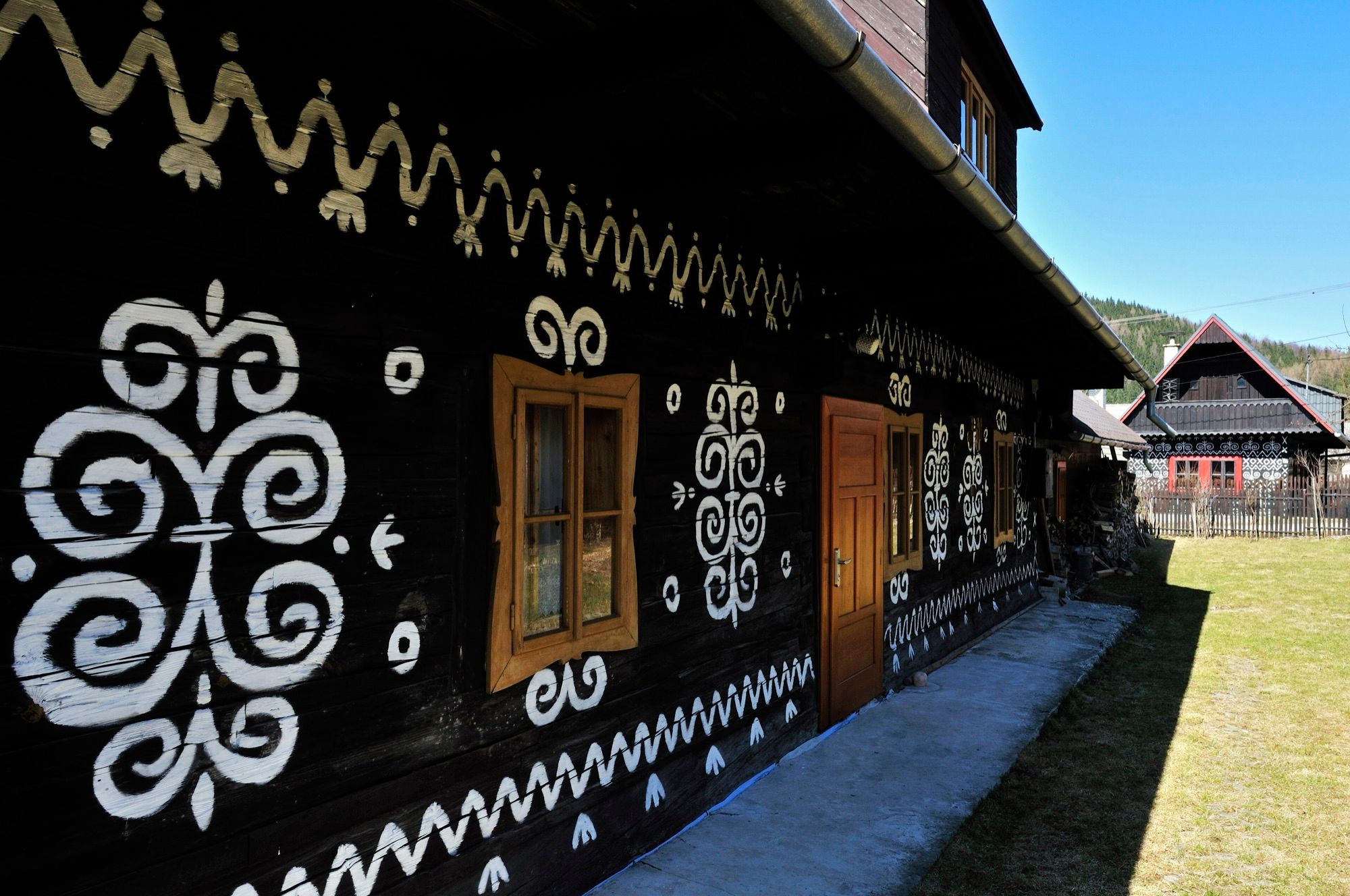
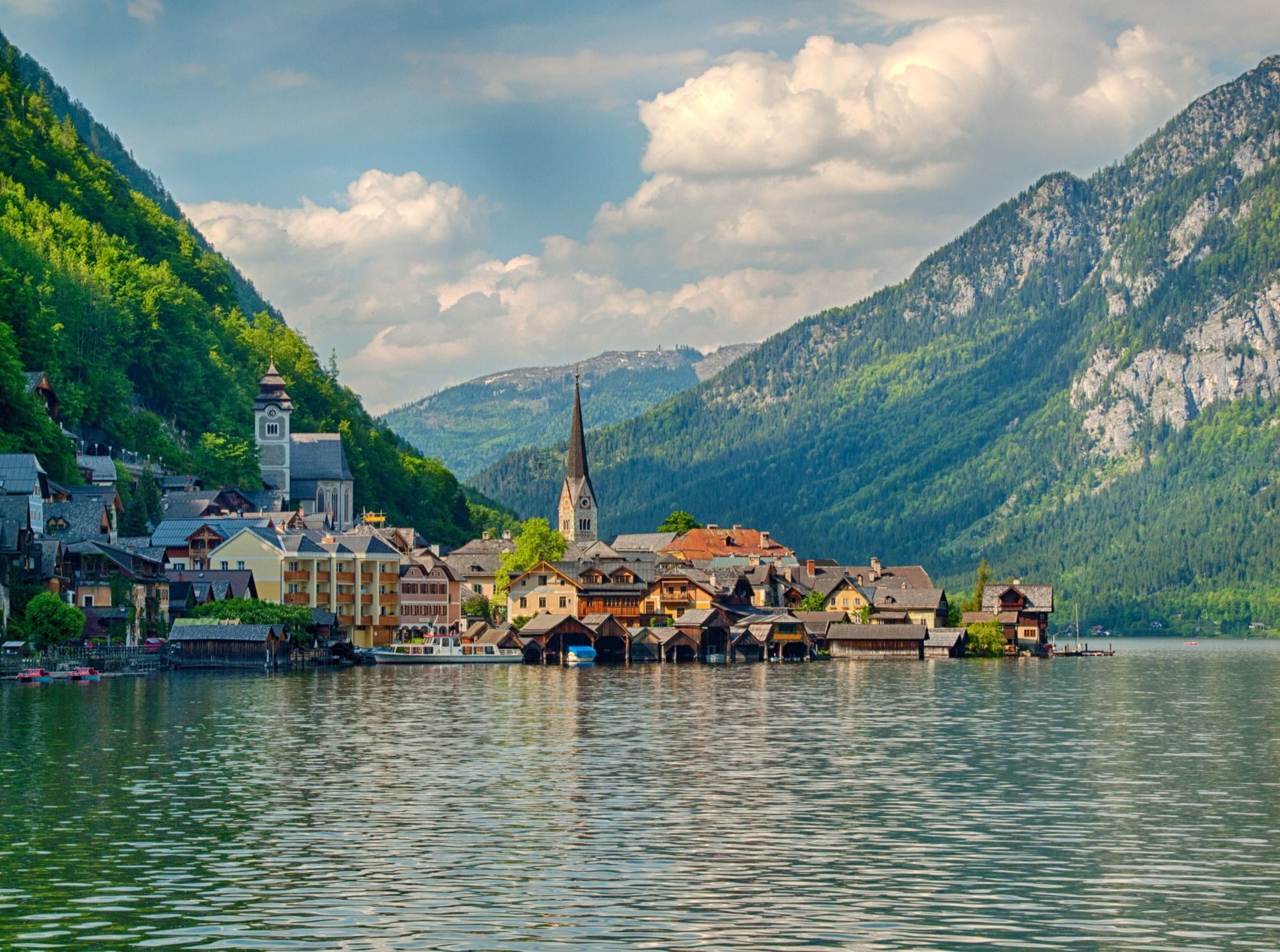
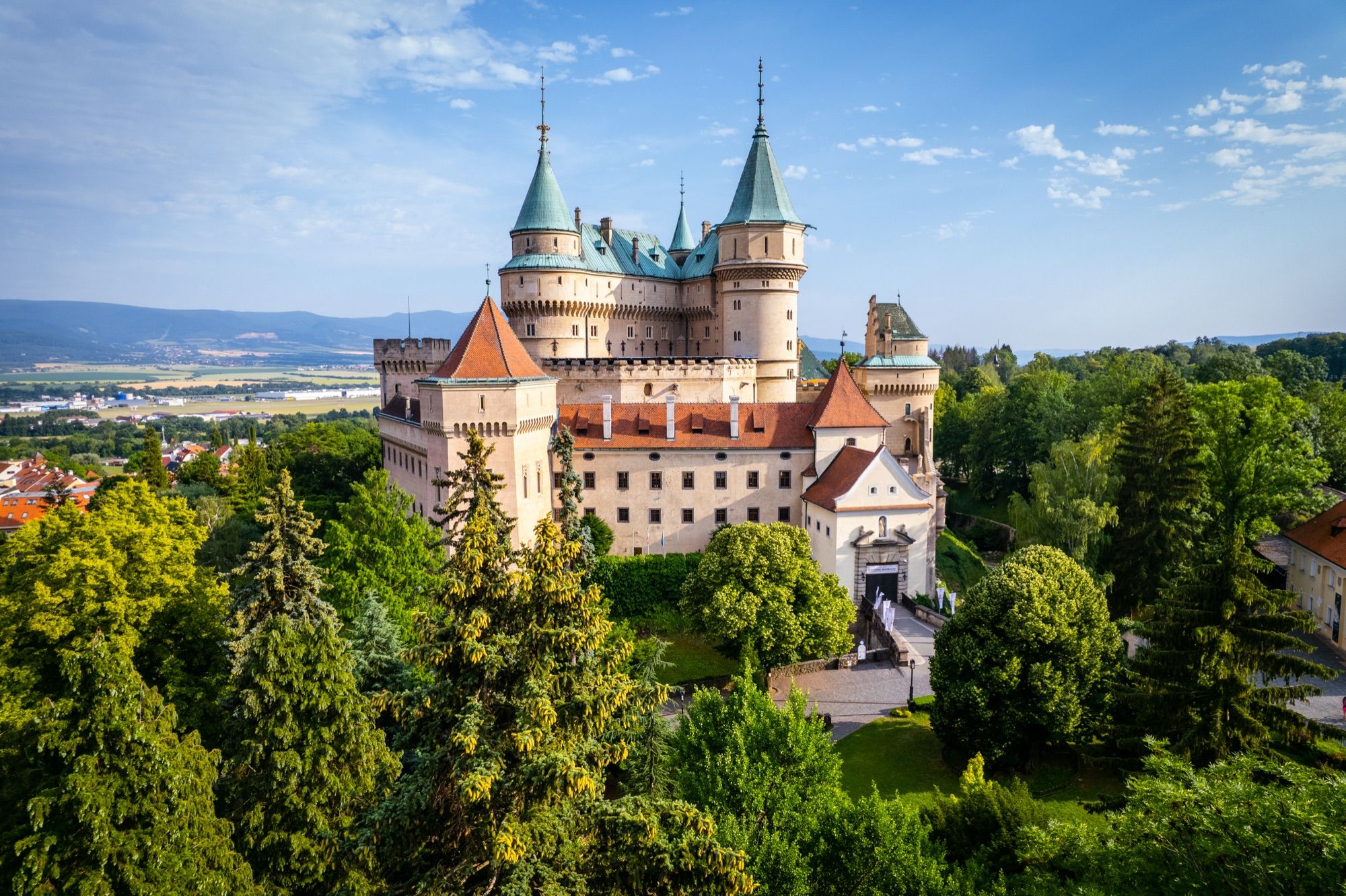
Use the two cities as bases and the day trips do the rest. Fairytale Bojnice Castle, Trenčín's fortress above the Váh, the clifftop ruin of Beckov, the painted log houses of Čičmany and the alpine lake of Štrbské Pleso in the High Tatras are all within a day from Bratislava. From Vienna you can reach Melk Abbey and the Wachau valley, lakeside Hallstatt and Mozart's Salzburg, and Budapest is a day away too.
When to go
The climate is continental. May, June and September are warm and settled for walking and castles. July and August are hot, often around 25 to 30 °C. October brings crisp days, autumn colour in the hills and new wine in the taverns. From late November Christmas markets fill the squares of both cities; winters are cold, and snow comes to the High Tatras.
Getting there from the UK
Our Central Europe holidays fly direct with Ryanair from London Stansted, Manchester and Edinburgh, a flight of around two and a quarter hours. Bratislava airport is about 9 km from the centre, and Vienna airport lies between the two cities. Trains link Bratislava and Vienna in about an hour, and in season the Twin City Liner catamaran makes the trip along the Danube.
Where to stay
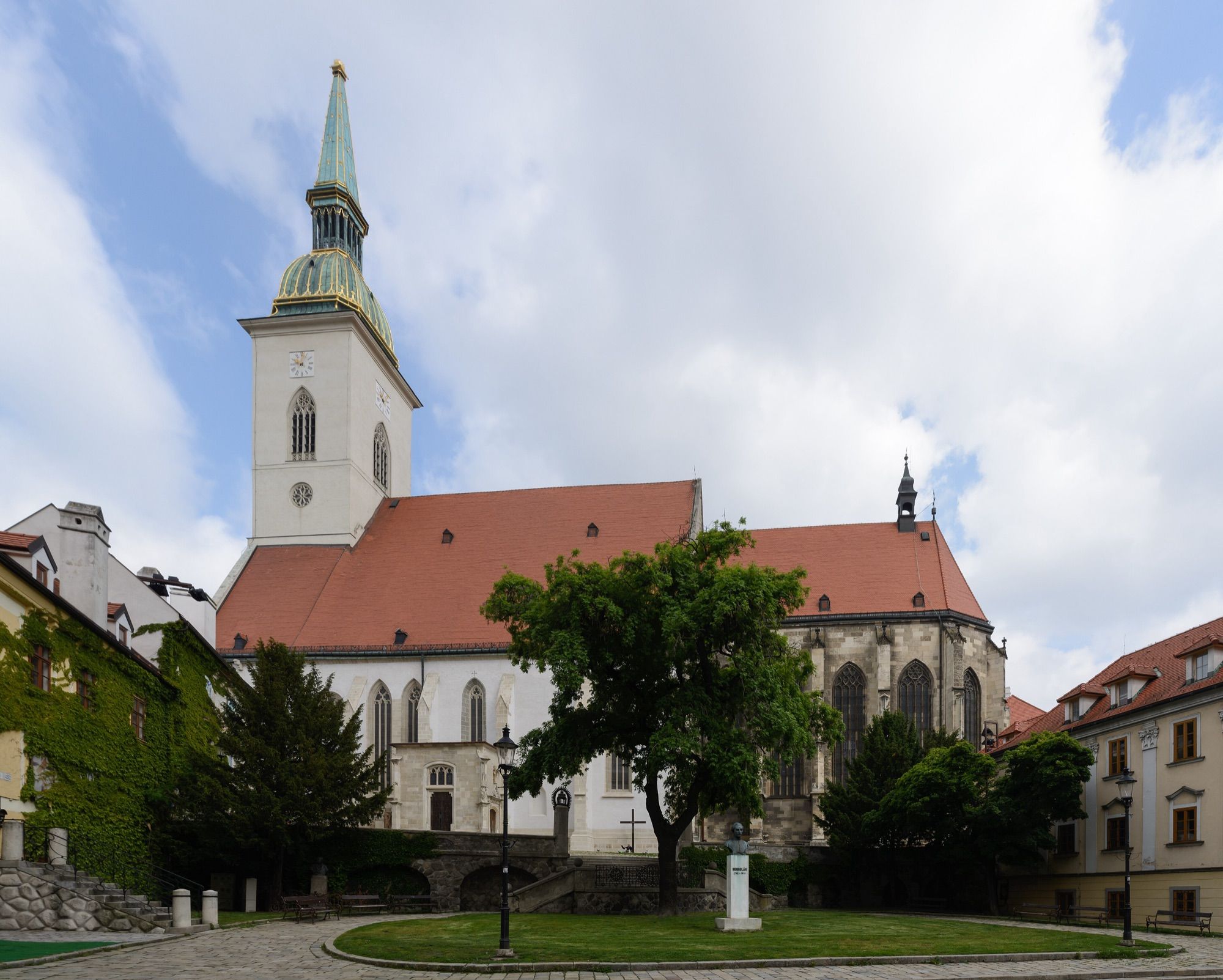
- Bratislava Old Town puts you on foot to the Main Square, St Martin's Cathedral and the riverside, with restaurants on every corner.
- Below Bratislava Castle, the quiet residential streets are a ten-minute walk from the Old Town, with more space and calm.
- Vienna's 1st district (Innere Stadt) keeps St Stephen's, the Hofburg and the canal-side bars within walking distance, and the U-Bahn takes you everywhere else.
What to do
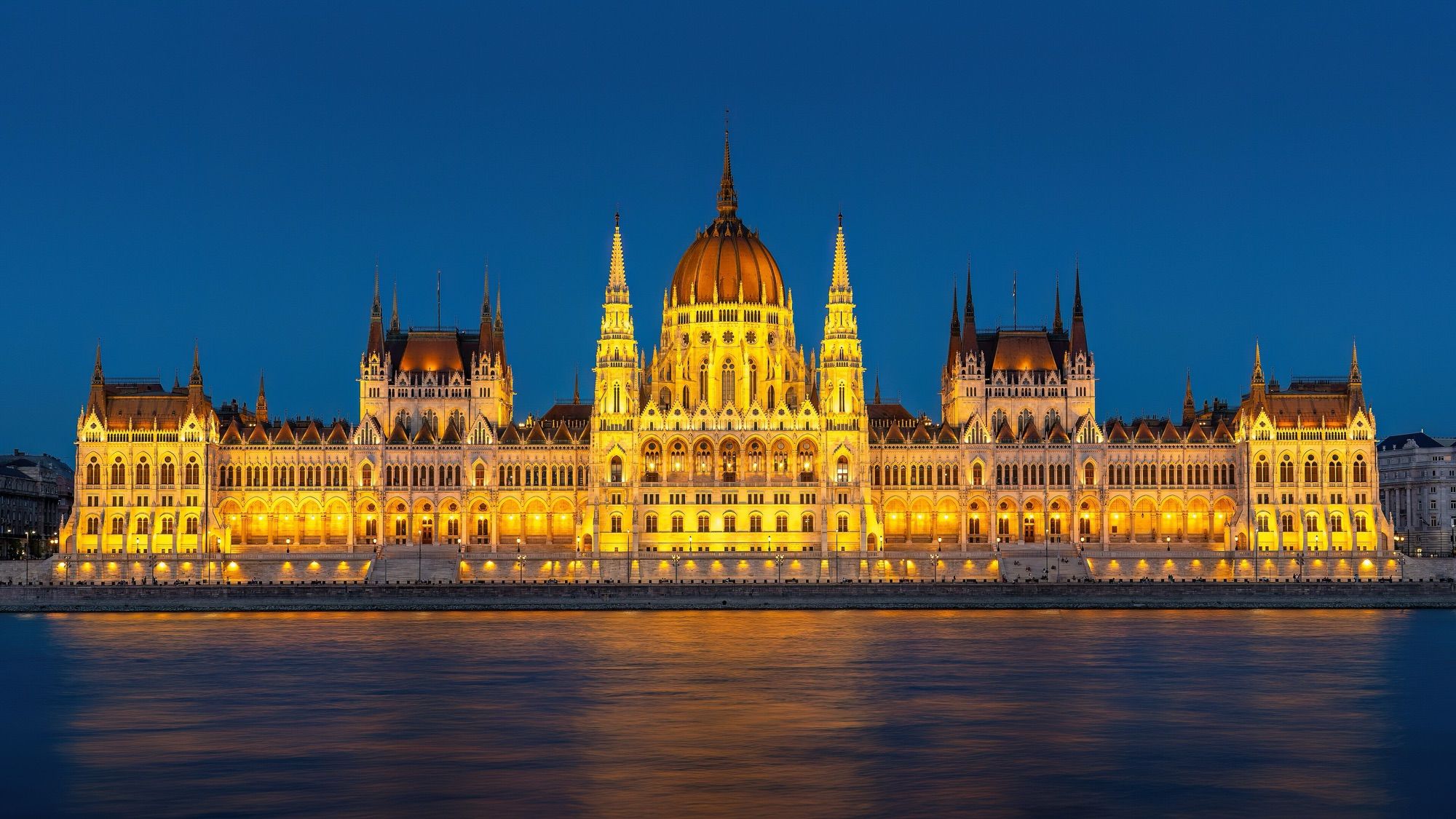
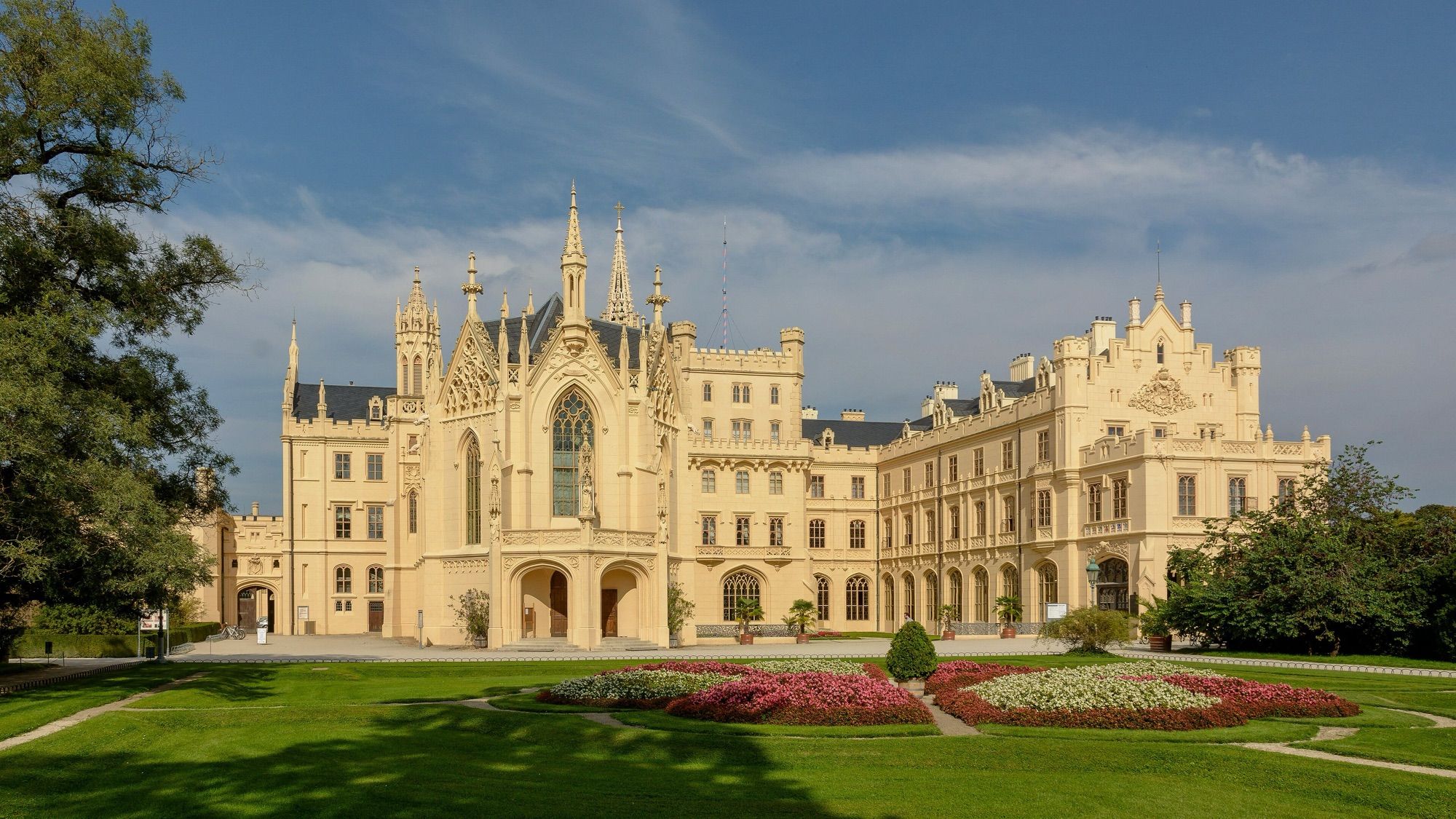
In Bratislava, walk under Michael's Gate, look for the Čumil statue peeping out of a manhole and climb to the castle for views over the Danube. In Vienna, tour the state rooms of Schönbrunn and climb to the Gloriette, then spend an evening at a wine tavern on the edge of town. Out of town, join a guided day trip to the Slovak castles and Čičmany, to the High Tatras, to Budapest's Parliament and Buda Castle Hill, or along the Danube to Melk, Dürnstein, Hallstatt and Salzburg.
Food
Try Slovak bryndzové halušky (potato dumplings with sheep's cheese and bacon), kapustnica (sauerkraut soup) and Bratislava rožky, crescent pastries filled with poppy seed or walnut. In Vienna it's Wiener Schnitzel, apple strudel and Sachertorte, with a melange coffee. The Small Carpathian vineyards outside Bratislava and the Wachau's Grüner Veltliner and Riesling make good local glasses.
Good to know
- Currency: euro in Slovakia and Austria; Hungarian forint in Budapest and Czech koruna in Moravia (cards are widely accepted).
- Time: one hour ahead of the UK all year.
- Plugs: two round pins (types C, E and F), 230 V. Bring a European adapter.
- Language: Slovak in Bratislava, German in Vienna. English is common in hotels and on tours.
- Day trips to the castles and the mountains are long days on the road, often 12 hours or more. Bring comfortable shoes and a layer for the hills.