Bhutan
Cliff-top monasteries, whitewashed dzongs and high Himalayan passes: Bhutan, the Land of the Thunder Dragon, from Paro to the far east.
Why go
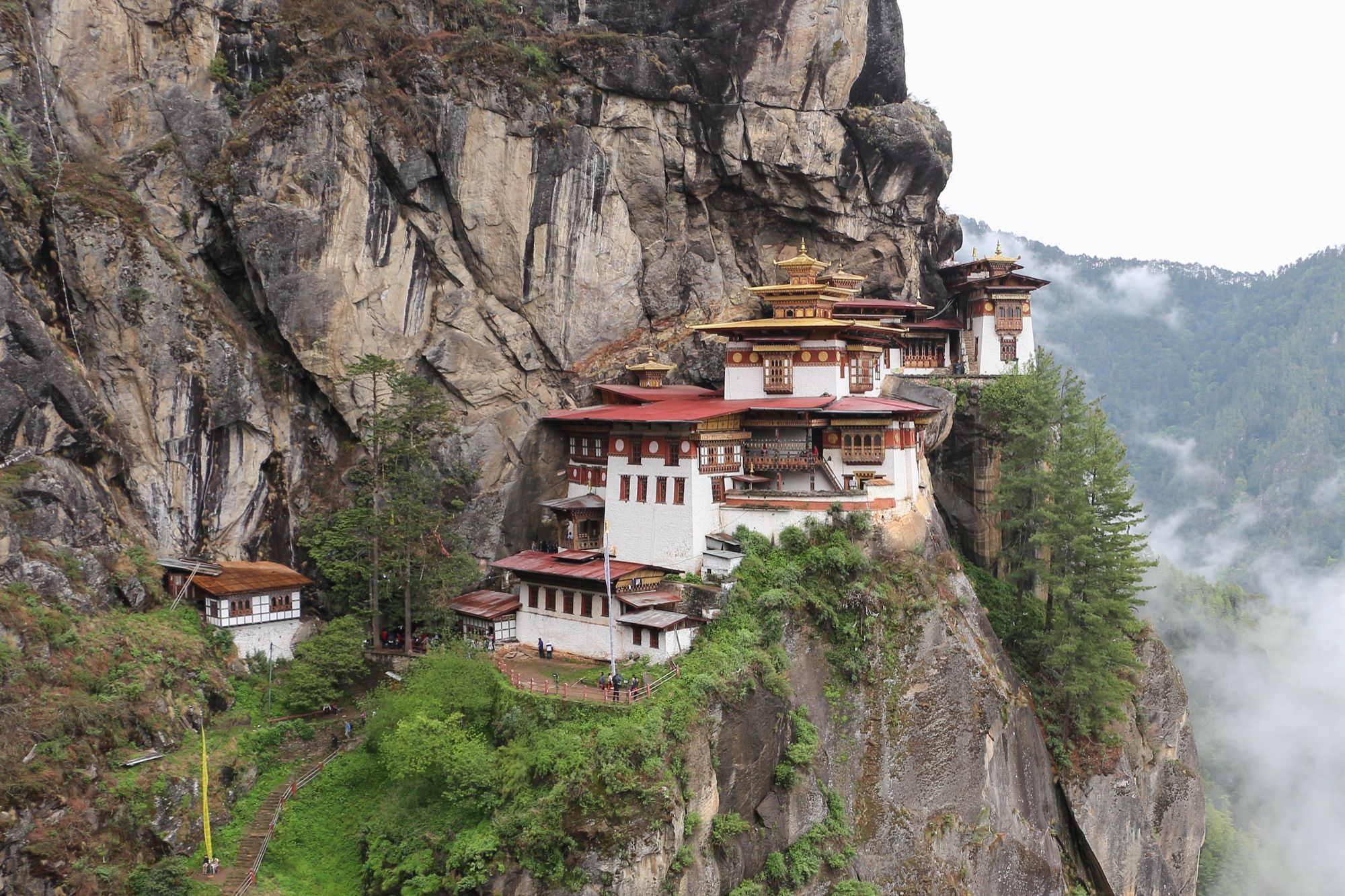
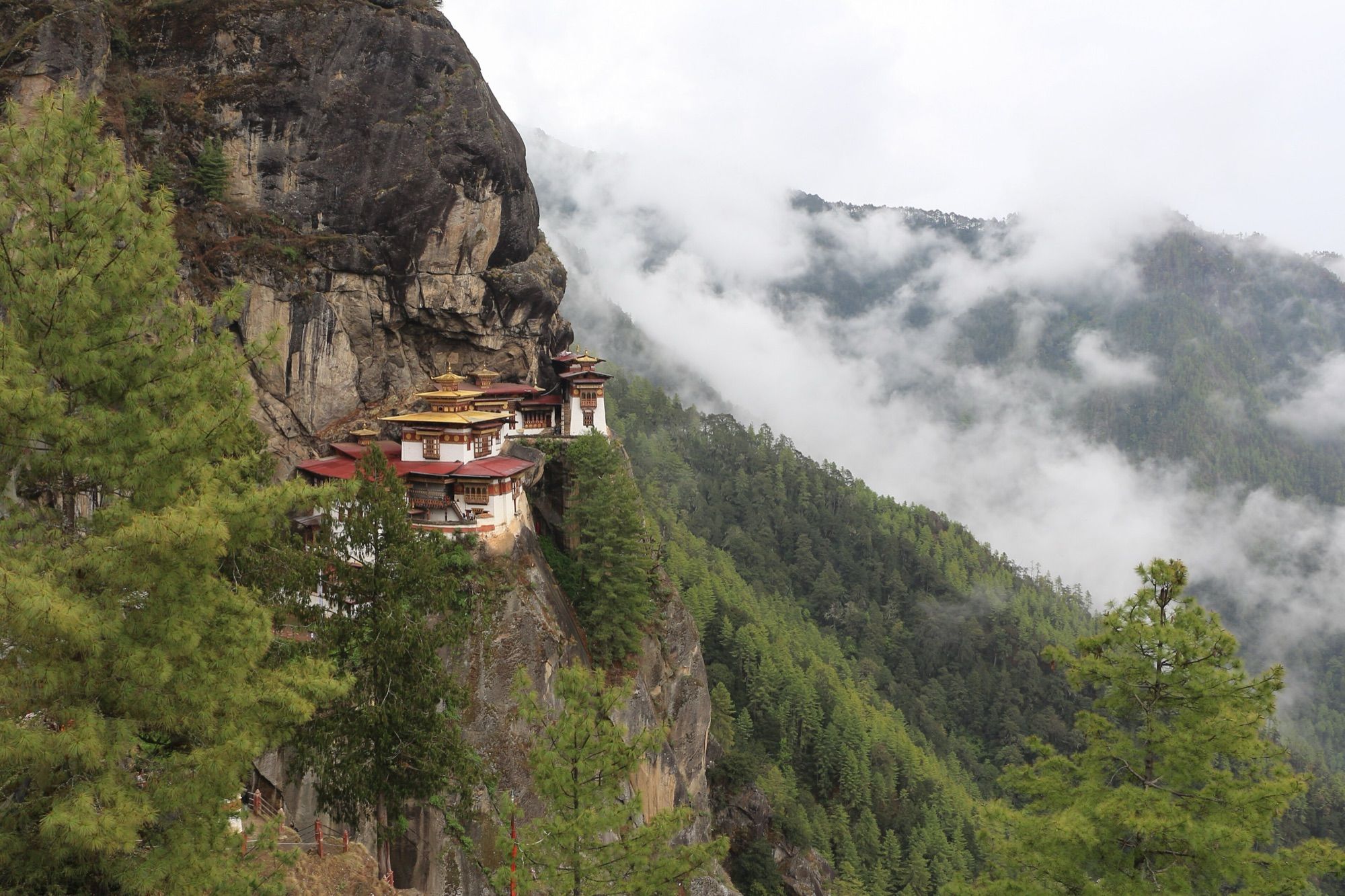
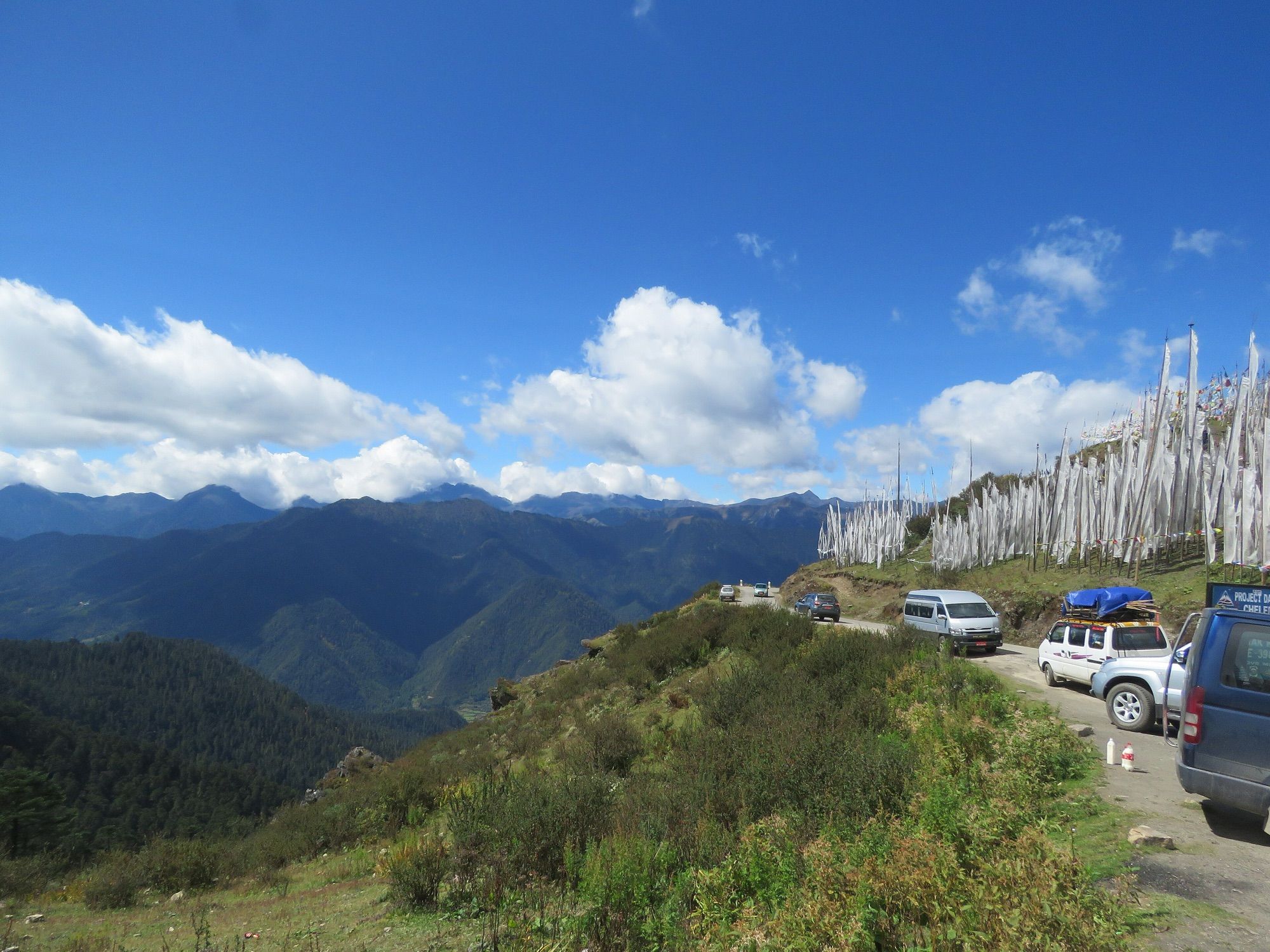
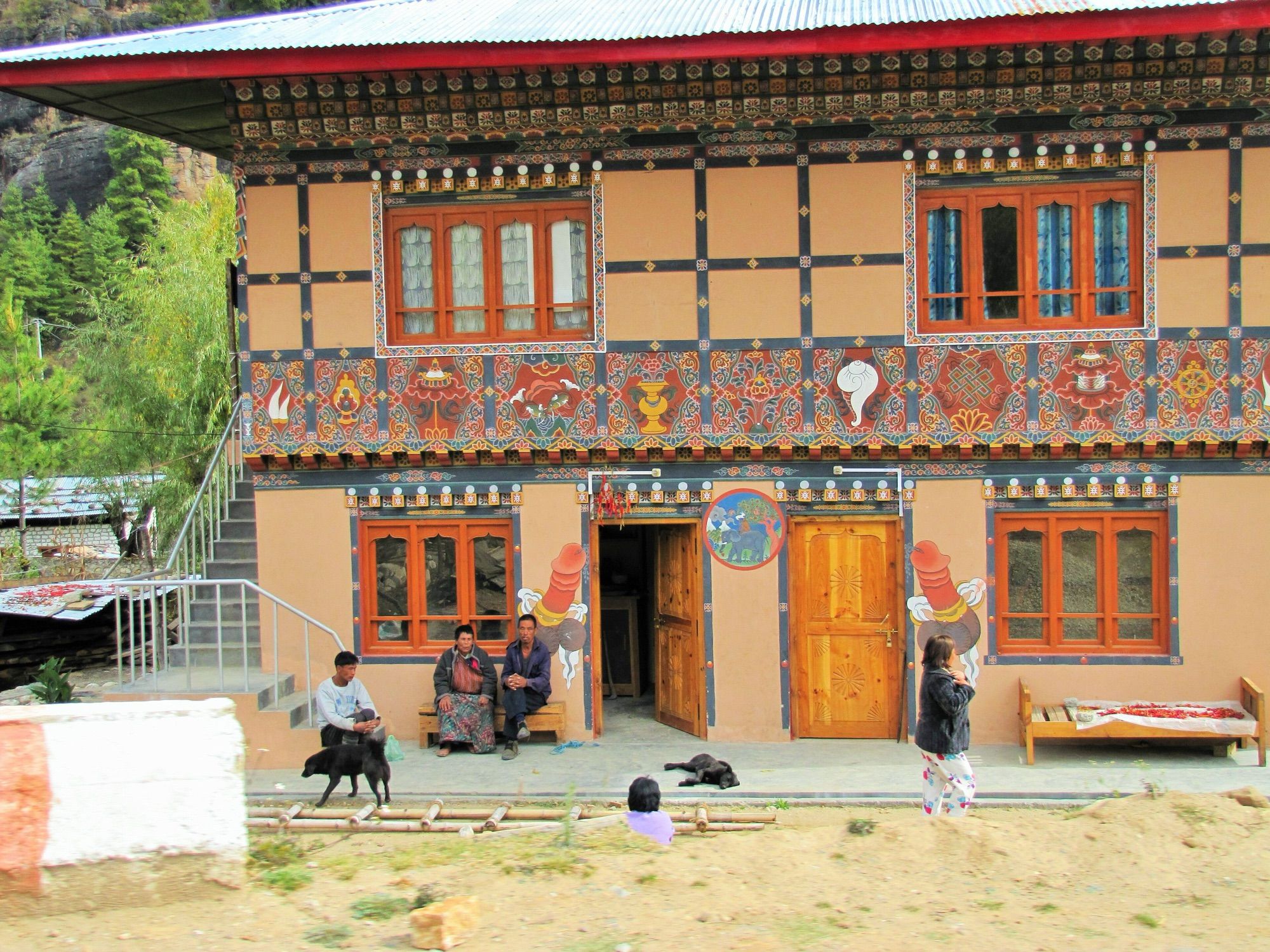
Bhutan is a small Himalayan kingdom where Buddhism still shapes daily life. Every district is run from a dzong, a whitewashed fortress-monastery that houses both monks and government offices. Prayer flags snap on the passes, farmers in the national dress of gho and kira work terraced rice fields, and the country's most famous temple, Taktsang, the Tiger's Nest, clings to a cliff about 900 metres above the Paro valley. Visitor numbers are kept low on purpose, so even the big sights feel calm.
When to go
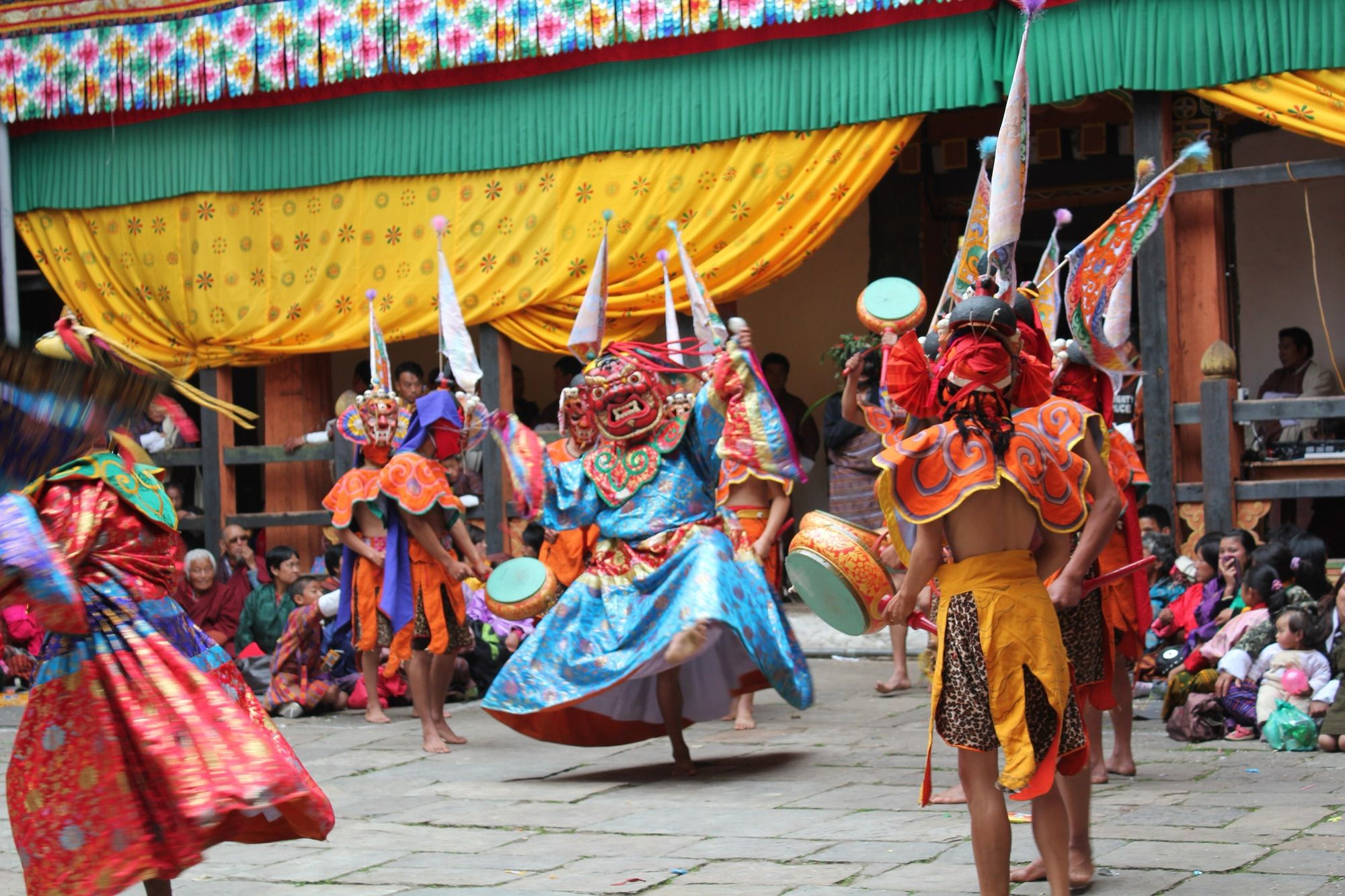
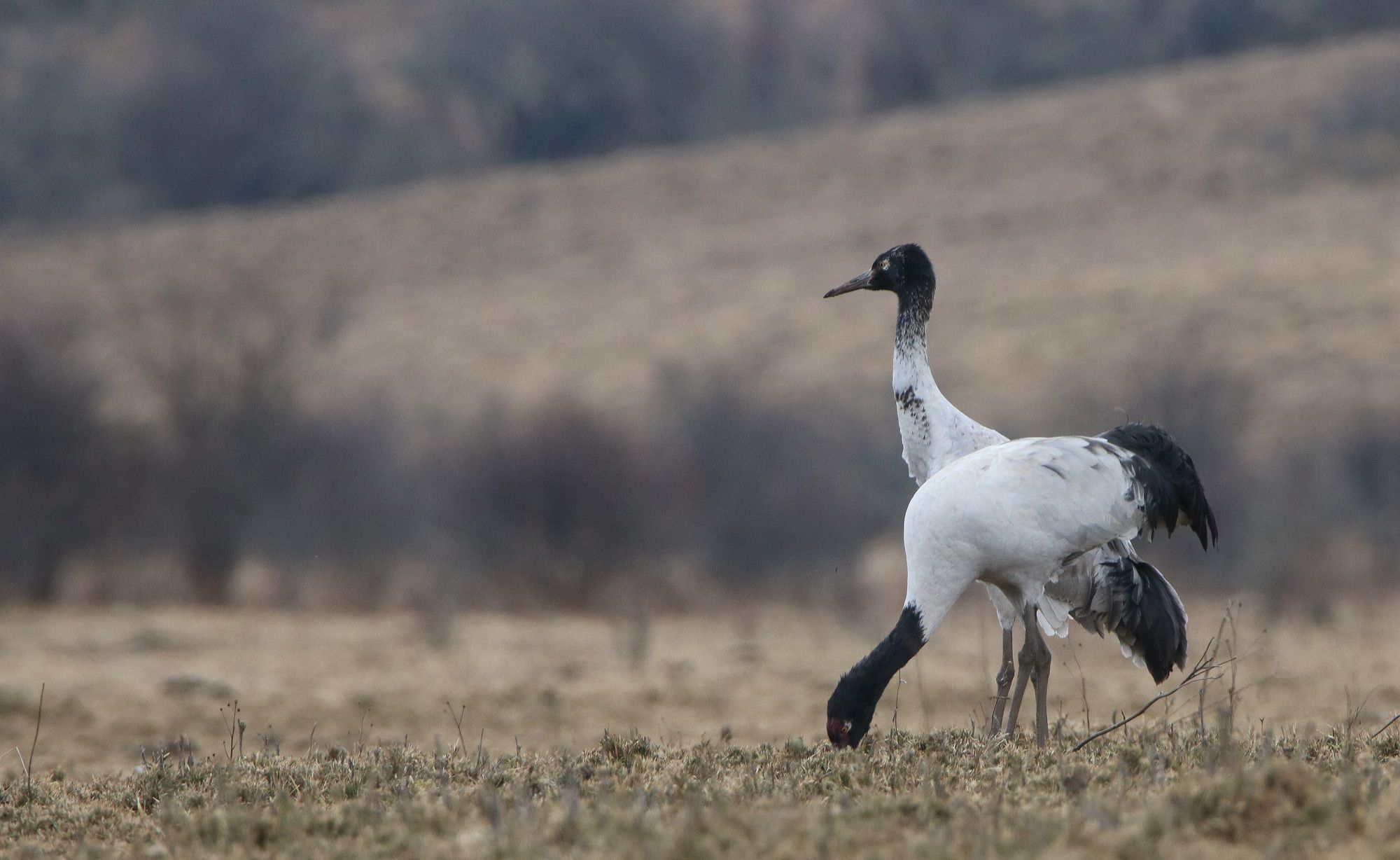
Spring (March to May) and autumn (September to November) are the best seasons, with mild days, clearer skies and the main festivals: the Paro Tshechu in spring and the Thimphu Tshechu in autumn, with more in Bumthang and the east in October and November. Spring brings rhododendrons to the passes. June to August is the monsoon, wetter and quieter, when mountain roads can be slow. Winter is cold and dry with sharp mountain views, and from about late October to February the endangered black-necked cranes winter in the Phobjikha Valley.
Getting there from the UK
There are no direct flights from the UK. Most travellers fly from London to Delhi with Air India and connect to Paro on Druk Air (Drukair), the national airline. The two airlines can sell the trip on one ticket with luggage checked through. The approach into Paro, between forested ridges, is one of the most dramatic landings in Asia.
Where to go
- Paro and Thimphu: the western valleys. Paro has the airport, Rinpung Dzong and the Tiger's Nest; Thimphu, the capital, has Tashichho Dzong, markets and the giant Buddha Dordenma.
- Punakha: a warm, low valley of rice fields, with Punakha Dzong at the meeting of two rivers, reached over the Dochula Pass.
- Phobjikha (Gangtey): a wide glacial valley of pine forest and marshland, home to Gangtey Monastery and the cranes.
- Trongsa and Bumthang: central Bhutan and its spiritual heartland, full of ancient temples and legends of Guru Rinpoche.
- Mongar, Trashigang and Trashi Yangtse: the east, which few visitors reach, with dramatic dzongs, craft villages and the great stupa of Chorten Kora.
What to do
Hike up to the Tiger's Nest, watch masked dances at a tshechu festival, and walk through villages to temples such as Chimi Lhakhang. Try your hand at archery, the national sport, soak in a hot stone bath at a farmhouse, raft the gentle rivers at Punakha, or drive up to the 3,988-metre Chele La for views over the Haa valley. Everywhere, you travel with a guide and driver who open doors you wouldn't find alone.
Food and drink
Chillies are a vegetable here, not a seasoning. The national dish is ema datshi, chillies in a cheese sauce, eaten with nutty red rice. Try momos (dumplings), kewa datshi with potatoes and cheese, and suja, butter tea made with salt rather than sugar. Ara is the local spirit, distilled from rice or maize.
Good to know
- The SDF: visitors pay a nightly Sustainable Development Fee that funds free healthcare, education and conservation. SkyRay packages include it.
- Travelling style: trips are booked through licensed operators, with a guide and private transport.
- Altitude: most valleys lie between about 1,200 and 2,900 metres, and the road crosses passes above 3,000 metres. Take the first days gently.
- Currency: the ngultrum (BTN), pegged to the Indian rupee. Carry some cash outside the towns.
- Language: Dzongkha; English is widely spoken.
- Time and plugs: Bhutan is six hours ahead of the UK in winter (five in summer). Sockets vary (types D, F and G are common, 230 V), so bring a universal adapter.
- Dress: long sleeves and long trousers or skirts for dzongs and temples.